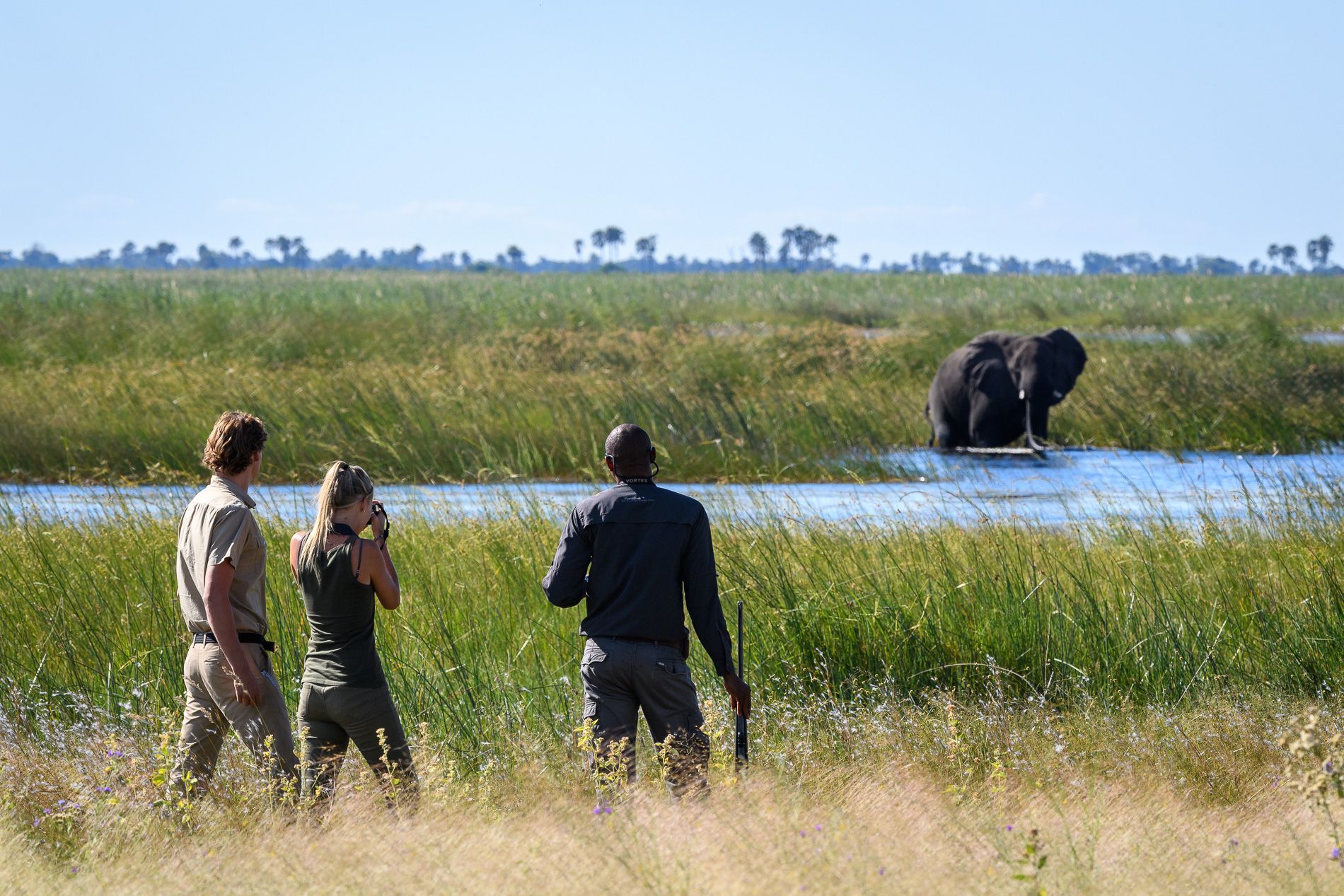
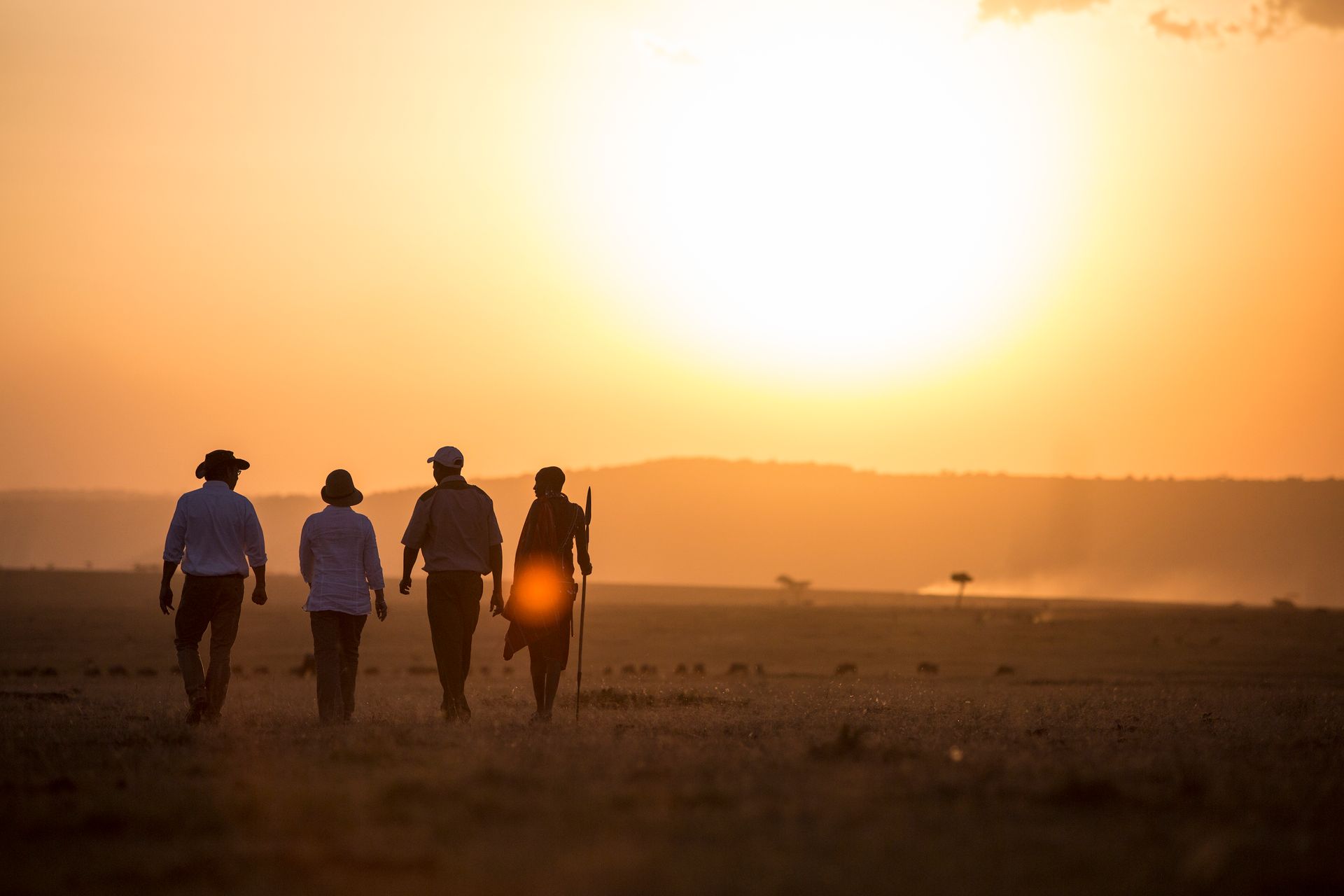
Game drives are wonderful. Nobody's suggesting otherwise, but they offer Africa with a degree of remove. On foot, that remove disappears entirely. You notice things you'd never see from a seat a metre or so off the ground: the delicate architecture of a spider's web strung between acacia thorns, the fresh spoor of a leopard pressed into soft riverbank mud, the particular silence that falls when an elephant is closer than you think. Your senses sharpen in a way that is almost startling. Colours seem brighter. Sounds carry further. You feel, in the most fundamental way, alive.
Walking safaris are also where the real expertise of a guide reveals itself. In a vehicle, a guide points and explains. On foot, they lead, interpret, protect and illuminate simultaneously. The best guides in Southern Africa are extraordinary people, deeply knowledgeable about ecology, animal behaviour, tracking and the fine art of reading the wind. Walking alongside one of them is an education that no classroom could replicate.
Zambia: the birthplace of the walking safari
If walking safaris have a spiritual home, it's Zambia. Norman Carr pioneered the concept in the Luangwa Valley in the 1950s, and the tradition has flourished here ever since. South Luangwa National Park remains one of the finest walking safari destinations on the continent, with a density of wildlife that makes every outing genuinely eventful.
The Lower Zambezi, where the great river sets the scene and elephant, buffalo and lion are daily companions, is equally compelling.
Zambia's walking culture runs deep, and the guides it produces are widely regarded as among the best in Africa. If you're new to walking safaris, there's nowhere better to begin.
Zimbabwe: the wild and the wonderful
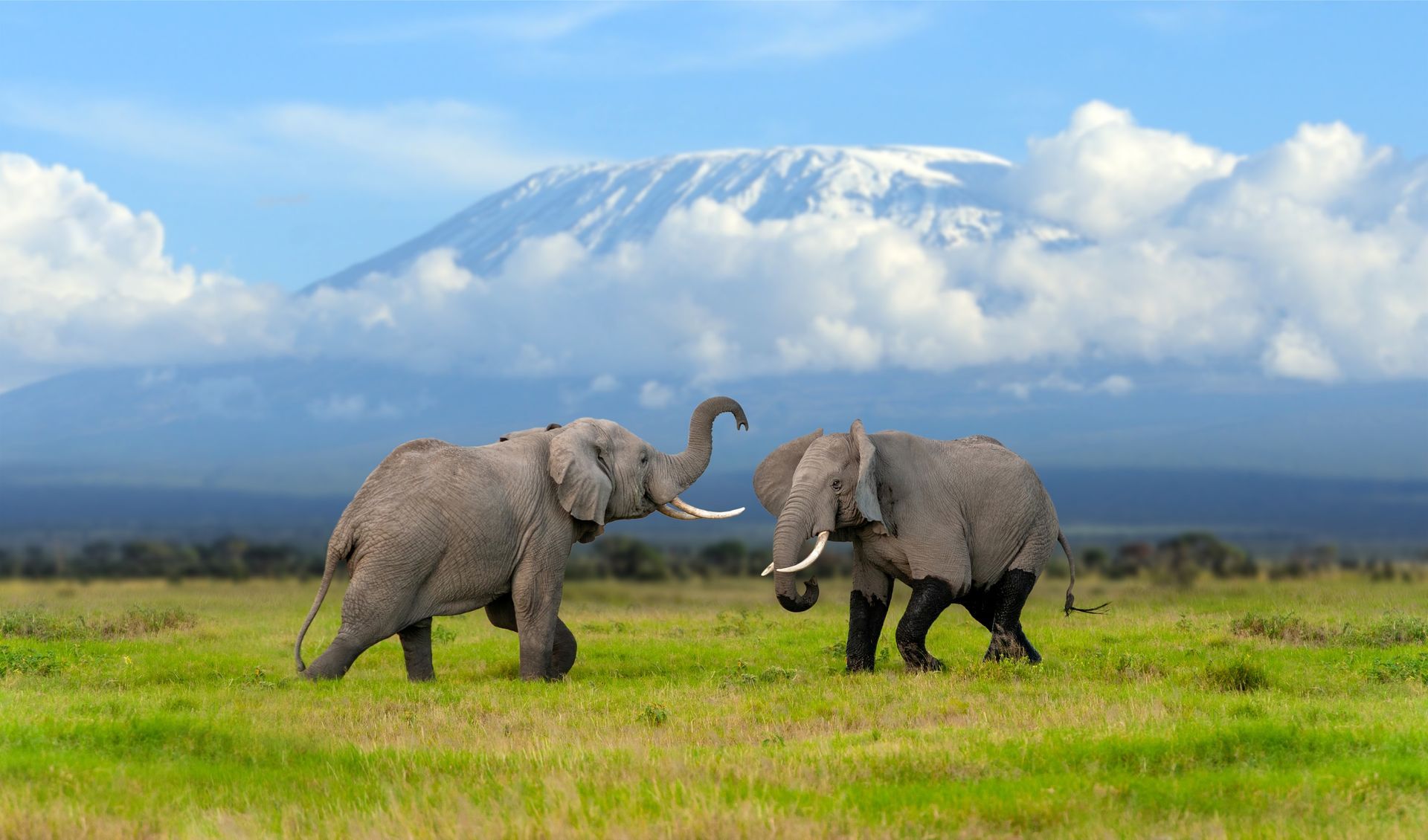
Zimbabwe's Mana Pools National Park is in a category of its own. A UNESCO World Heritage Site, it sits in the Zambezi Valley where ancient ebony and albida trees cast deep shade over floodplains alive with wildlife. What makes Mana Pools particularly special is the combination of riverine landscape, extraordinary elephant sightings and the raw, unfenced wildness of one of Africa's most memorable destinations.
On the other hand Hwange, Zimbabwe's largest national park, offers a contrasting experience: vast open pans, enormous elephant herds and the kind of landscapes that feel ancient and eternal. Walk them both if you don't want to choose!
Botswana: water, wilderness and wonder on foot
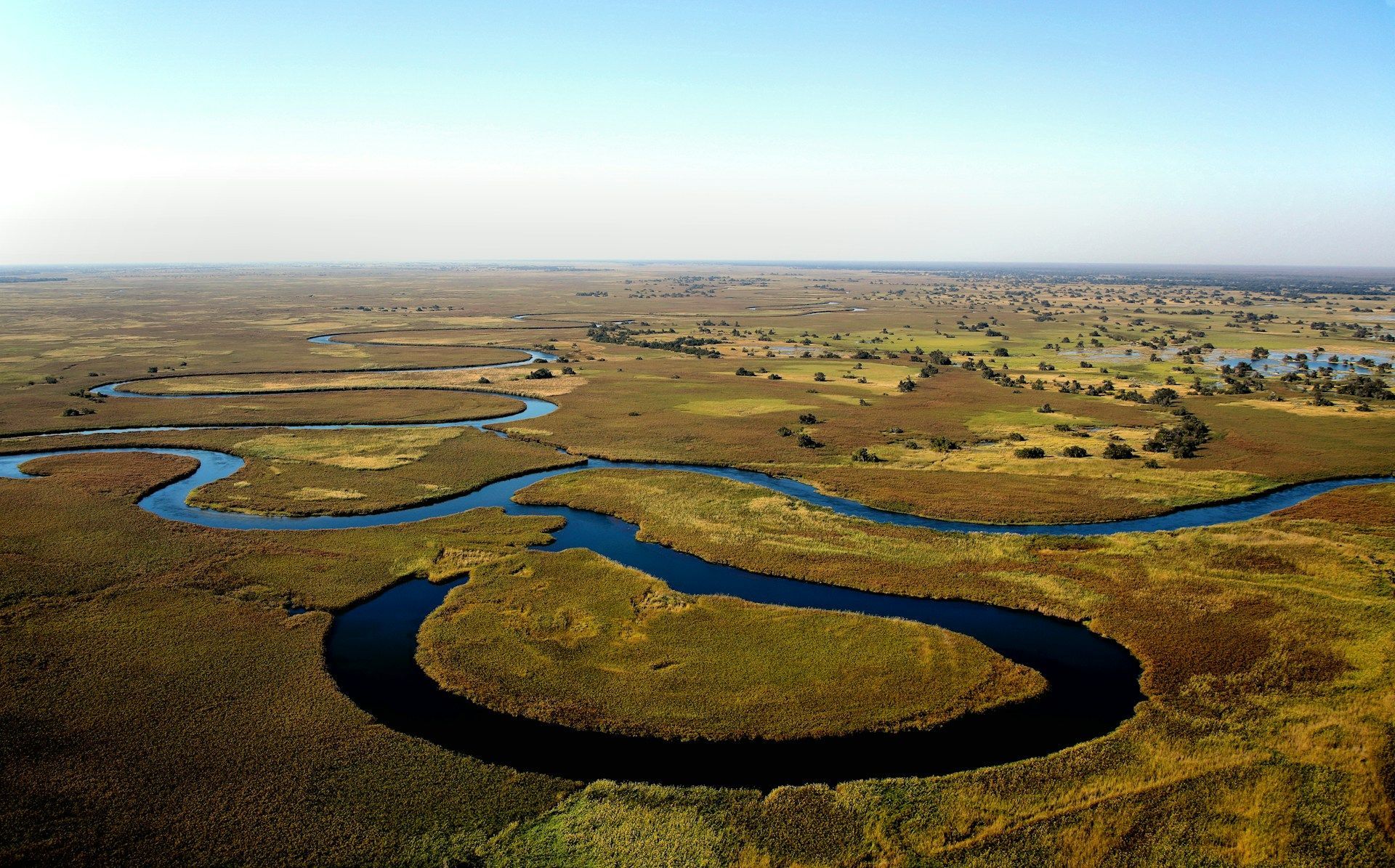
Walking in Botswana is a different experience from anywhere else, shaped by the extraordinary landscape of the Okavango Delta. Here, walking often means moving between islands of papyrus and palm, with the water-filtered light and the sounds of the delta creating an atmosphere that's entirely unique. The Linyanti and Selinda areas in northern Botswana offer some of the finest predator-focused walking in Southern Africa, where wild dog, lion and leopard share the stage with vast herds of elephant and buffalo.
Botswana's commitment to low-volume, high-value conservation means the walking experience here feels genuinely exclusive, unhurried and deeply immersive.
Namibia: walking at the edge of the earth
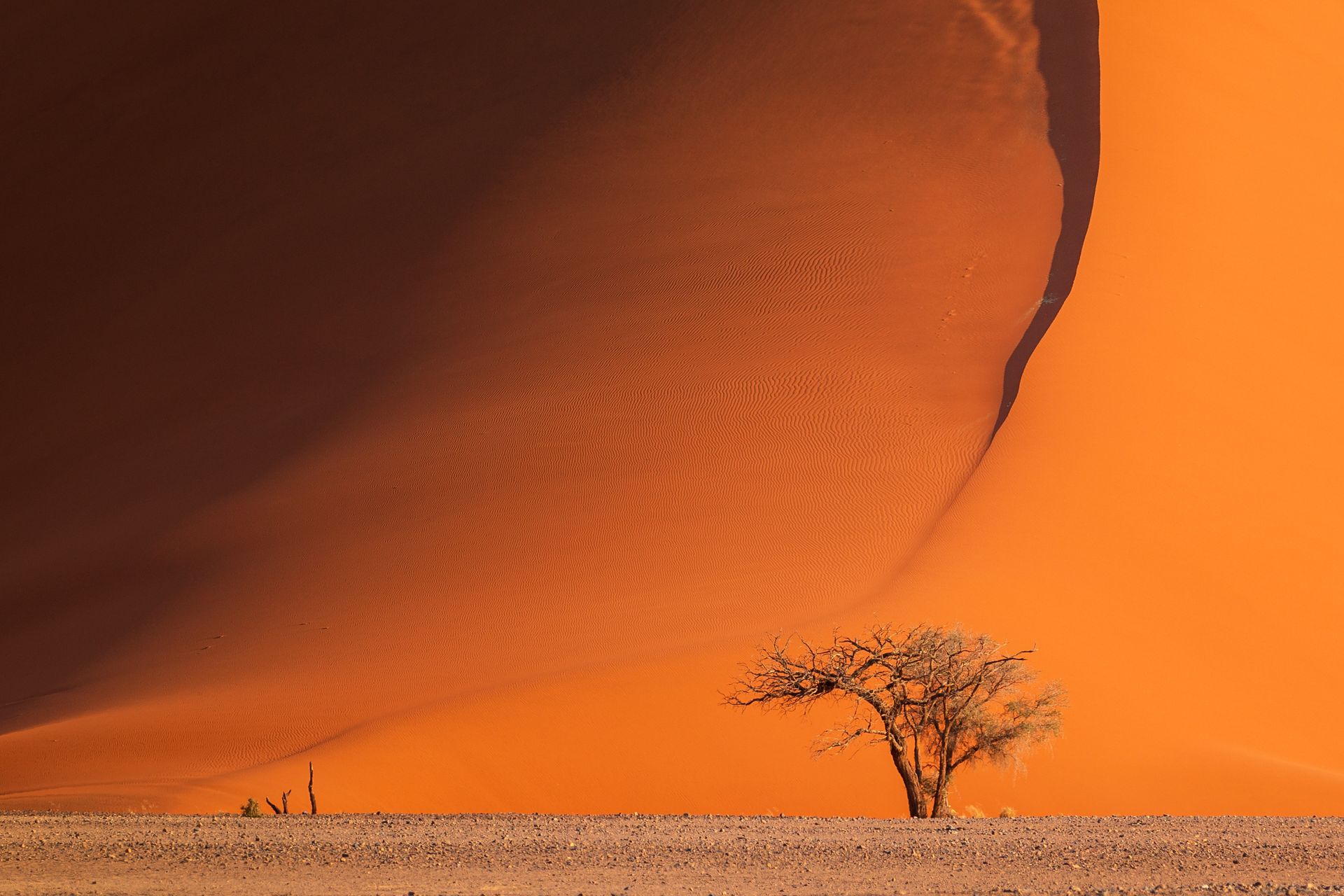
Namibia brings something completely different to the walking safari conversation. In Damaraland, the walks are as much about landscape and geology as they are about wildlife, though desert-adapted elephant, black rhino and gemsbok make regular appearances. The Namib Desert, the oldest in the world, offers guided walks of haunting beauty where the silence is so complete it becomes almost physical.
Walking near the Etosha periphery, in the private concessions that border the national park, combines the drama of one of Africa's great wildlife destinations with the intimacy and pace that only a walking safari can offer. Namibia suits the traveller who wants their safari to feel like genuine exploration.
South Africa: walking the Greater Kruger
The Rainbow Nation's contribution to the walking safari story is a rich one, and it's the Greater Kruger, that vast mosaic of private reserves and concessions bordering the Kruger National Park, where the walking experience truly comes into its own. Here, the absence of the fences and restrictions that govern the national park itself means guides have real freedom to move, to follow, to linger and to respond to whatever the bush presents.
The Sabi Sand, Timbavati, Klaserie and Thornybush reserves all offer outstanding walking, typically combined with the kind of luxury lodge and bush camp accommodation that makes returning from the bush each day a genuine pleasure in itself.
Walking inside the Kruger National Park itself is possible through the park's own Wilderness Trails, which are celebrated for good reason and much sought after. The demand for places, however, is considerable and availability can be frustratingly limited, particularly for travellers without the luxury of booking a year or more in advance.
A compelling alternative, and one worth knowing about, is Kruger Untamed's Tshokwane River Camp. This intimate seasonal camp, open from 1 May to 30 September each year, sits deep in the southern Kruger and offers guests guided walks into genuine wilderness, delivering much of what the Wilderness Trails promise but with greater accessibility and the added comfort of exceptional camp accommodation. If walking the heart of one of Africa's most iconic conservation areas has long been on your list, Tshokwane River Camp is a very fine way to make it happen.
What to expect and how to prepare
A walking safari is not a stroll. It demands a reasonable level of fitness, comfortable broken-in footwear, neutral-coloured clothing and a genuine willingness to move slowly and stay quiet. Most walks last between two and four hours, typically in the cooler early morning.
Groups are small, almost always no more than eight people, and the pace is set by the guide and by what the bush presents on any given day. Some days you'll cover several kilometres. Others, you'll spend 40 minutes watching a dung beetle with a focus you didn't know you possessed.
The golden rules are straightforward: follow your guide's instructions without question, stay together, move quietly and resist the urge to reach for your phone every thirty seconds. The rewards for that discipline are considerable.
Is a walking safari safe?
It's the question almost everyone wants to ask but few do, so let's answer it plainly. Yes, a walking safari is safe, provided it's done properly, with a qualified and experienced guide, in a reputable reserve or national park, and with due respect for the environment and the animals within it.
The guides who lead walking safaris in Southern Africa are among the most rigorously trained in the world, holding qualifications that require years of field experience, extensive theoretical knowledge and, in many cases, a firearms proficiency certification. They understand animal behaviour at a level that is genuinely impressive, and their ability to read a situation and respond calmly is what makes the experience both safe and extraordinary.
It's also worth understanding that the vast majority of African wildlife, when encountered on foot by a small, quiet, downwind group moving with purpose and guided by someone who knows what they're doing, will simply go about their business. Africa's animals are not waiting to cause trouble. The bush operates on its own logic, and a good guide understands that logic completely.
Sensible precautions are part of the experience rather than a burden on it. You'll be briefed thoroughly before every walk. You'll stay together, move quietly and follow your guide's instructions without hesitation. Those aren't onerous demands. They're the conditions that allow the magic to happen. Walking safaris have an exceptional safety record across the continent, and the operators and camps that Ubon Safari works with are chosen, in part, because their standards in this regard are unimpeachable.
Planning your walking safari with Ubon
A walking safari requires careful planning to get right. The season matters enormously: the dry winter months from May to October are generally best across Southern Africa, when vegetation is lower, water sources are concentrated and wildlife is easier to track. The destination needs to match your fitness level, your wildlife priorities and the kind of landscape that speaks to you most.
At Ubon Safari, Umang and Beena have the experience and the on-the-ground knowledge to design a walking safari that fits you perfectly, whether that's a dedicated walking itinerary in Zambia's Luangwa Valley or a several extraordinary walks woven into a broader Southern African journey.
If the idea of meeting Africa on foot has been sitting quietly in the back of your mind, now is the time to let it come forward. Get in touch for a conversation. It costs nothing, and it could lead somewhere extraordinary.