Africa rewards the traveller who comes prepared to pay attention, and these are the principles that
make that possible.
Do invest in a good pair of binoculars
This is practical advice that borders on the passionate, because binoculars transform a safari in ways that are genuinely difficult to overstate. The bush is not a zoo, and Africa does not arrange its wildlife for convenient close-up viewing. Much of what makes a game drive extraordinary happens at distance, in the middle distance where the naked eye sees movement and shape but little else, and where a decent pair of 8x42 or 10x42 binoculars turns vague possibility into something precise and astonishing.
The experienced safari traveller knows that the most interesting thing in any landscape is often not the large obvious thing in the foreground but the small, specific, telling detail half a kilometre away, and getting to it requires good glass and the patience to look properly.
Don't underestimate the power of silence
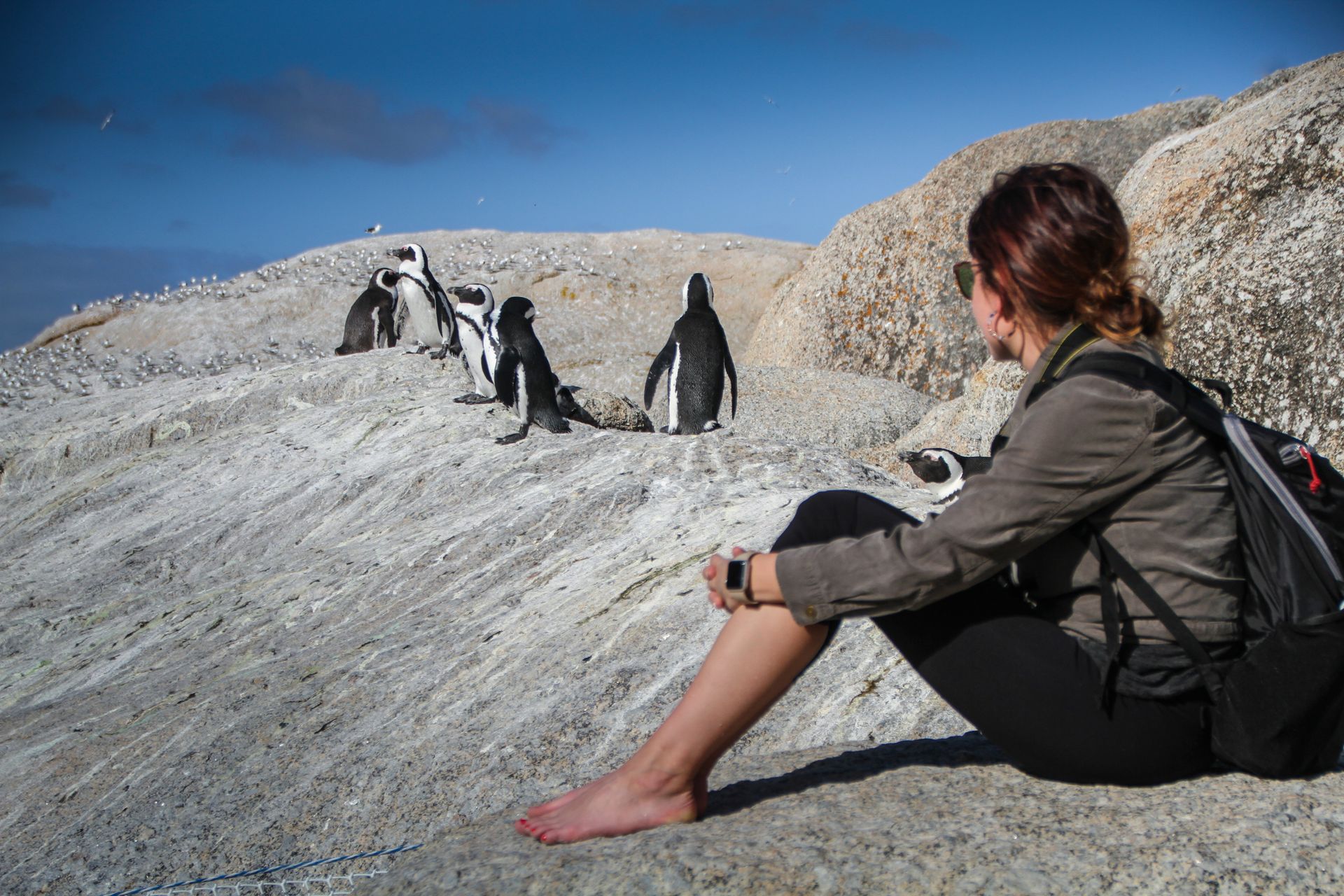
The instinct on a first safari is to react to everything out loud: the gasp at the elephant, the exclamation when the leopard materialises from what appeared to be empty bush, the running whispered commentary to whoever is sitting beside you. All of it is natural and entirely forgivable. But the bush rewards silence with things that noise simply cannot access, and learning to be still and quiet in the presence of something extraordinary is one of the more valuable skills a safari teaches.
Silence is also how you hear Africa properly, and hearing it is at least half of what you came for. The alarm call of an oxpecker working its way up the neck of a giraffe, signalling that something large and potentially dangerous is moving nearby. The low, felt-rather-than-heard rumble of an elephant communicating with its herd across a distance you wouldn't think possible. The extraordinary predawn chorus that builds out of absolute darkness in the minutes before the sky begins to lighten, a sound of such layered complexity and beauty that it stops conversation altogether, which is rather the point.
Do follow your guide's instructions without question
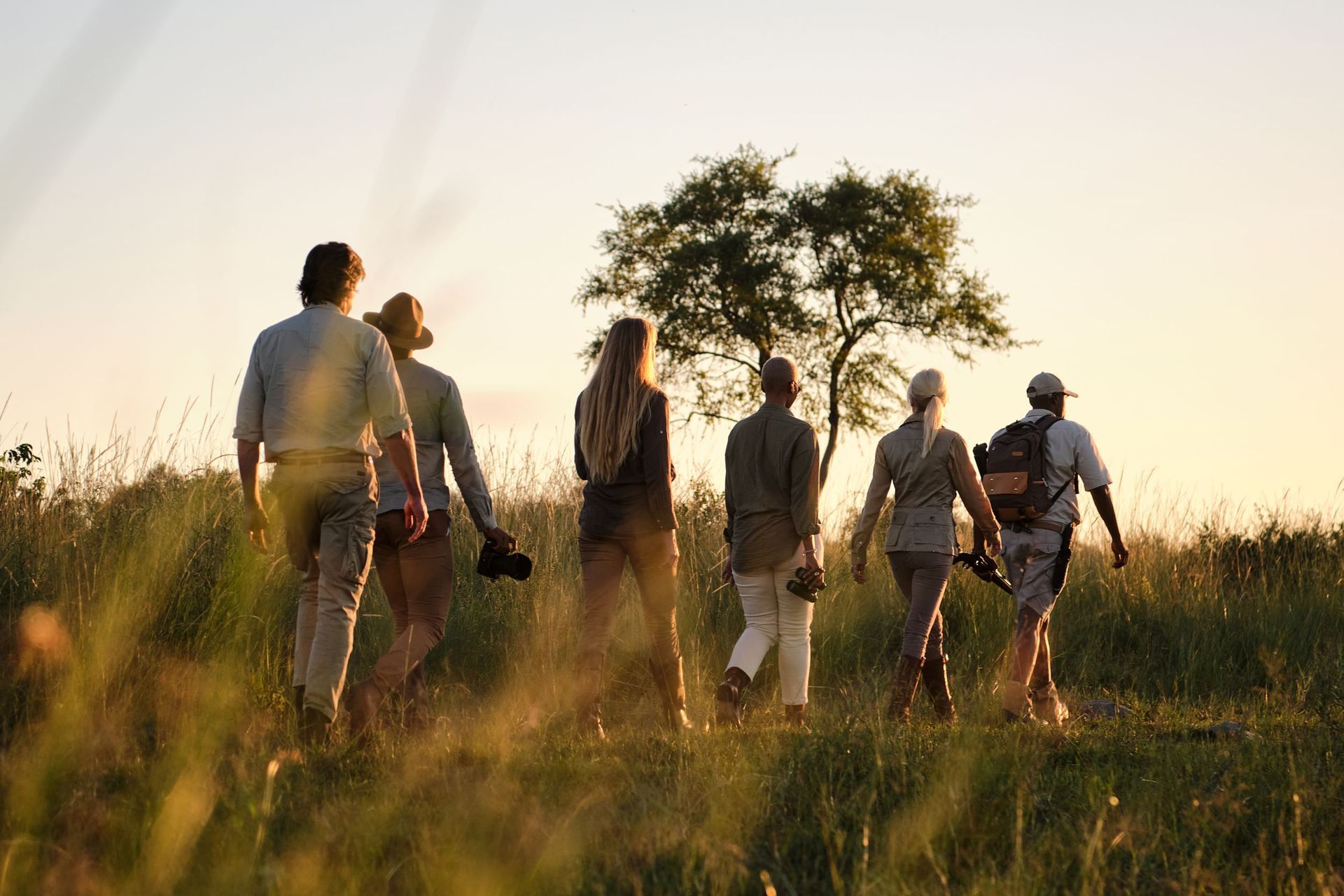
The men and women who lead safaris across Africa are among the most knowledgeable naturalists on the planet, and the best of them have spent years, sometimes decades, learning a single landscape with the kind of intimacy that can't be taught in any classroom. They read the bush like a newspaper, picking up on details that are invisible to the untrained eye and assembling them into a picture that is always more complete and more interesting than anything an outsider could construct alone.
When the hand goes up for silence, the correct response is immediate. When you're asked to stay in the vehicle, there is a reason, and the reason is usually closer than you'd like. The trust you extend to a good guide comes back to you many times over, in sightings and moments and quiet revelations that happen only because someone who has spent a lifetime paying attention was in the seat in front of you.
Don't bring expectations you're unwilling to release
Every safari veteran arrives at the same conclusion eventually, and the ones who arrive at it earliest have the best time: Africa will show you what it wants to show you, on its own schedule, in its own order, and the traveller who accepts that unconditionally comes away with the richest experience. The checklist mentality, the quiet frustration when the morning produces something other than what was hoped for, closes the traveller off from the particular quality of attention that the bush rewards most generously.
A guide of thirty years' experience once observed that the guests who came away most changed were almost never the ones who'd ticked off the most species. They were the ones who had stopped trying to collect experiences and started simply having them, who had sat with something ordinary long enough for it to reveal itself as extraordinary, which in Africa, given sufficient patience, everything eventually does.
Do switch off, properly and completely
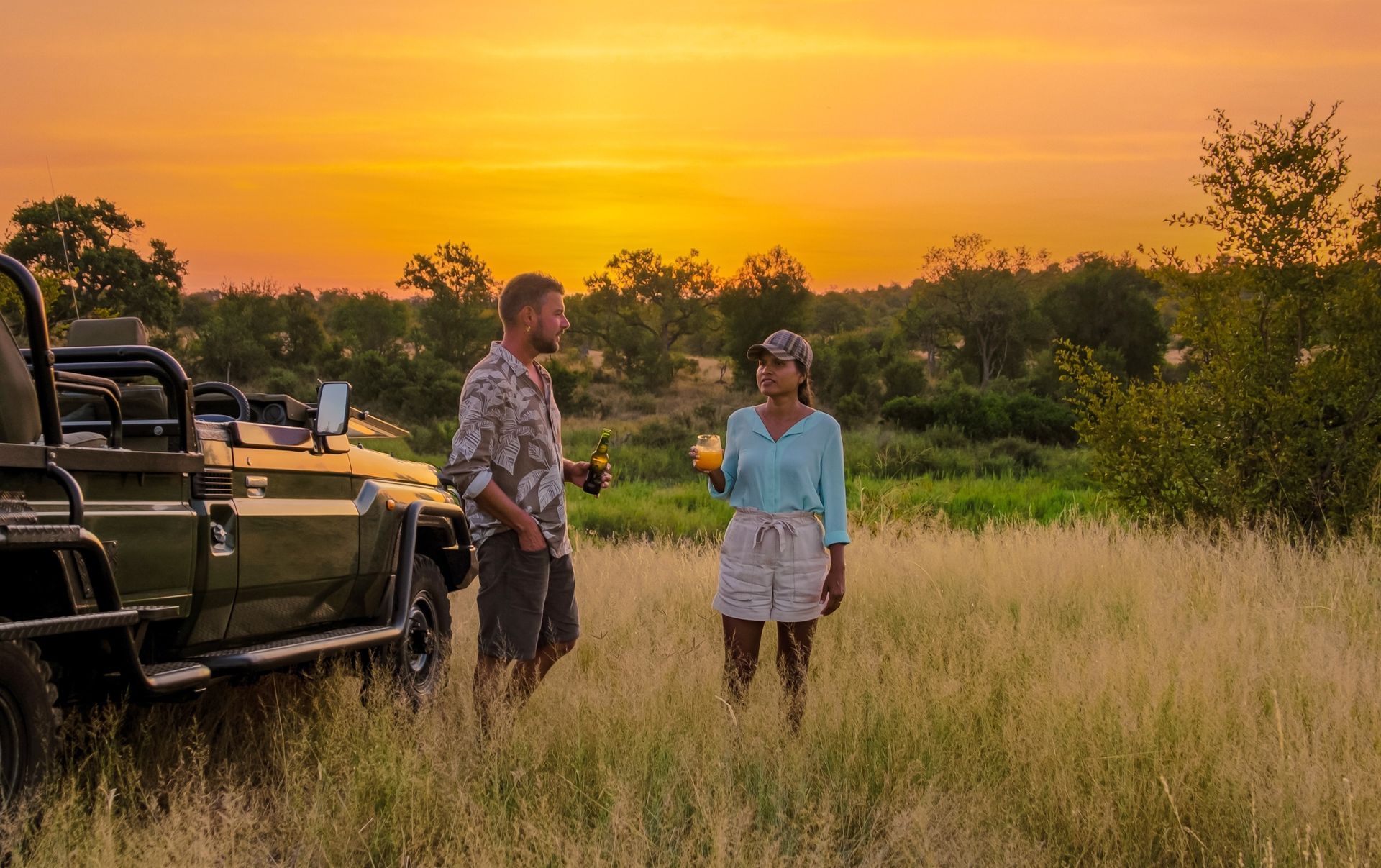
Africa has a remarkable ability to do this for you, but it helps to meet it halfway. The camps and lodges that Ubon Safari works with are chosen, among other things, for their ability to create genuine disconnection, from the gentle Wi-Fi policies of a remote Botswana camp to the complete absence of signal in a fly-in destination deep in the Zambian wilderness.
There is a particular quality to the attention that becomes available when the habitual pull of a screen is no longer there, a quality that the bush notices and responds to in kind, and most travellers find, usually within 24 hours, that they'd forgotten what it felt like to be this present.
Don't forget that timing changes everything
What you see, and where and when you see it, depends more on timing than on almost any other single factor, and getting it right is where the difference between a good safari and an extraordinary one is often made.
The dry season across most of Southern Africa, running broadly from May through to October, draws wildlife to diminishing water sources and strips the vegetation back to reveal what's living in it, making game viewing more concentrated and often more dramatic. The green season, which carries an undeserved reputation among travellers who haven't experienced it, brings newborn animals and thunderous skies and a lushness that transforms the landscape entirely, with a fraction of the visitor numbers as a considerable added benefit.
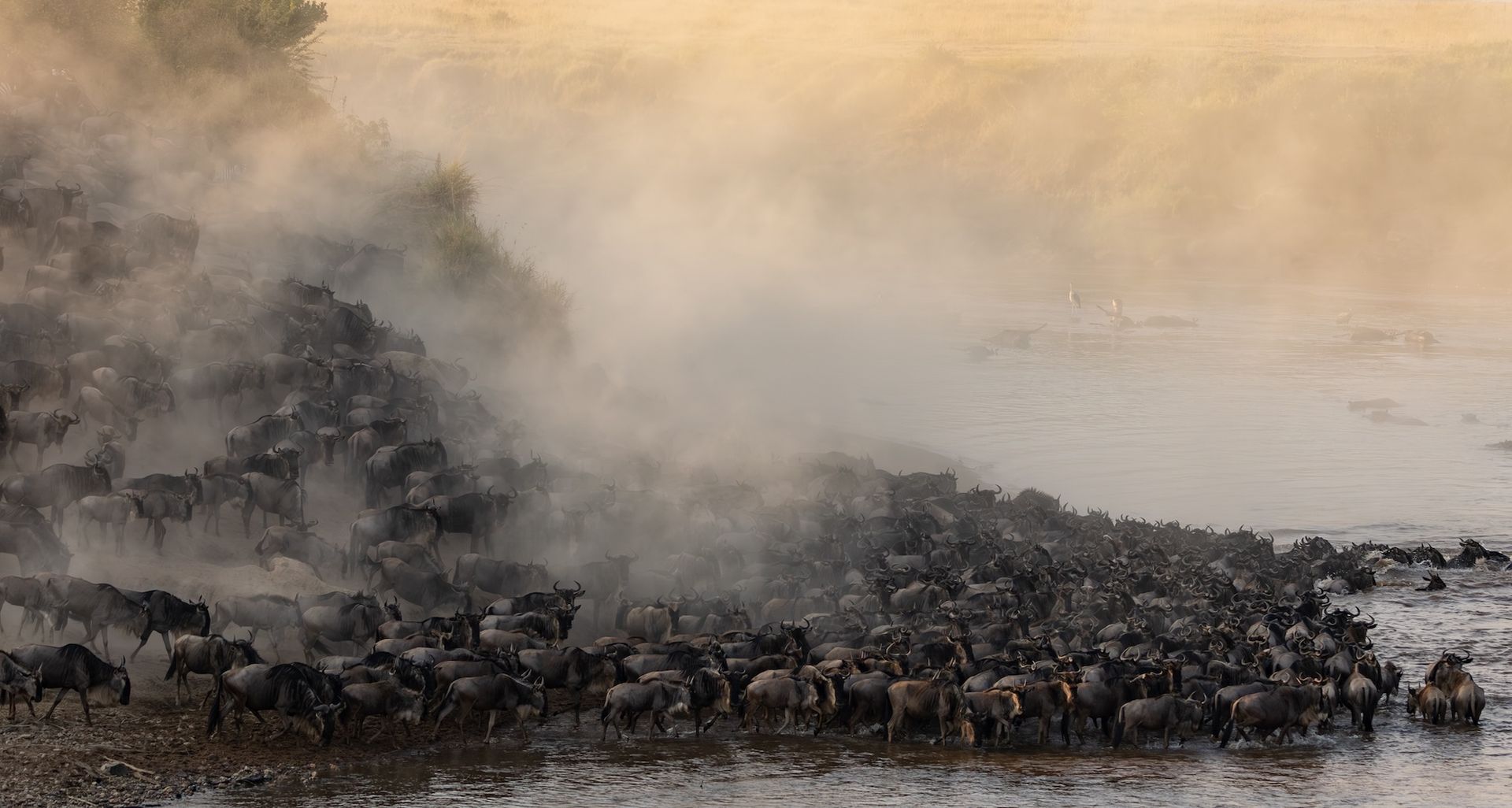
East Africa moves to a different rhythm, shaped by the Great Migration, that ceaseless, year-round movement of wildebeest and zebra and the predators that follow them across the Serengeti and Masai Mara ecosystem. Following it well requires planning, and planning it well requires someone who knows it intimately.
Do let someone who truly knows Africa plan it for you
Umang and Beena have been building African journeys for more than 35 years, and the thing that distinguishes what they do from simply booking a collection of lodges and flights is the depth of knowledge that sits behind every decision they make on your behalf. Which camp is positioned to offer the best game viewing at this particular time of year, which guide has a reputation that has preceded them for a decade and how to move through a landscape so that each place deepens the one that came before it, and the whole journey adds up to something considerably greater than its parts.
If you've been thinking about Africa, and thinking about going on your own terms with people who know it the way they know their own family, the conversation starts with a simple message or a call.