Most people come to Africa for wildlife and leave understanding that wildlife was only the beginning. Africa is littered with incredible places, labelled natural world wonders, and cultural heritage sites that defy the dusty pages of history. The former usually need no introduction or embellishment, but the latter are sometimes more elusive and less documented. This is our guide to both.
The world's largest falling body of water
Yes, Victoria Falls. Known locally as Mosi-oa-Tunya, the smoke that thunders, nothing in that name is exaggerated as, in full flood, the falls stretch for nearly 1,7km across the mighty Zambezi and plunge more than 100m into the gorge below, generating a spray cloud visible from 50km away and a sound that arrives somewhere in the chest before it registers in the ears.
It is one of the Seven Natural Wonders of the World and a UNESCO World Heritage Site, and the traveller who stands at the lip of it for the first time will find that the photographs they've seen, however good, prepared them for approximately half of the experience.
East Africa's crown jewels
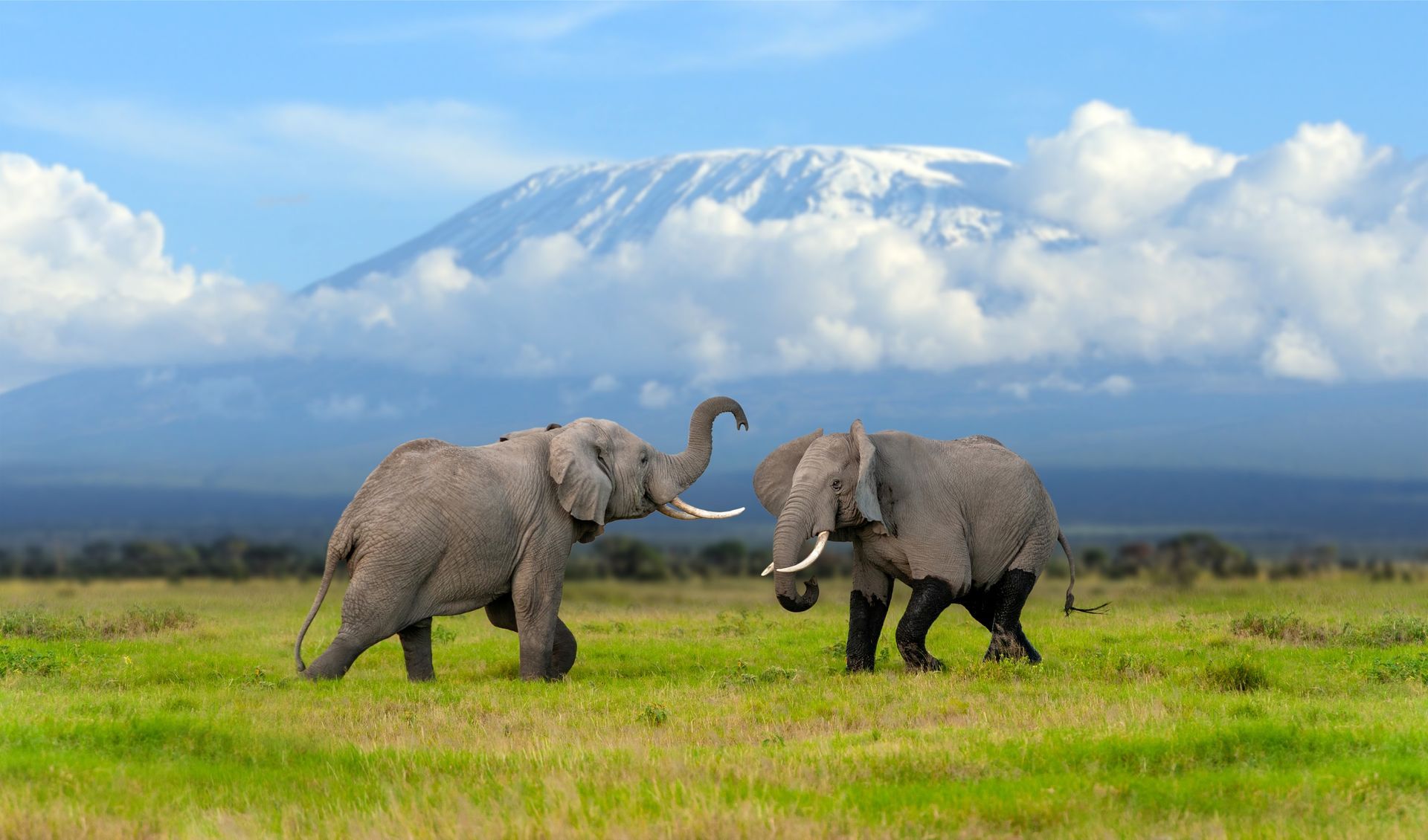
The Serengeti and Ngorongoro need equal billing. The crater, 40km wide and 600m deep, is the largest intact volcanic caldera on earth and home to one of the highest concentrations of wildlife anywhere on the continent, including one of East Africa's last significant black rhino populations.
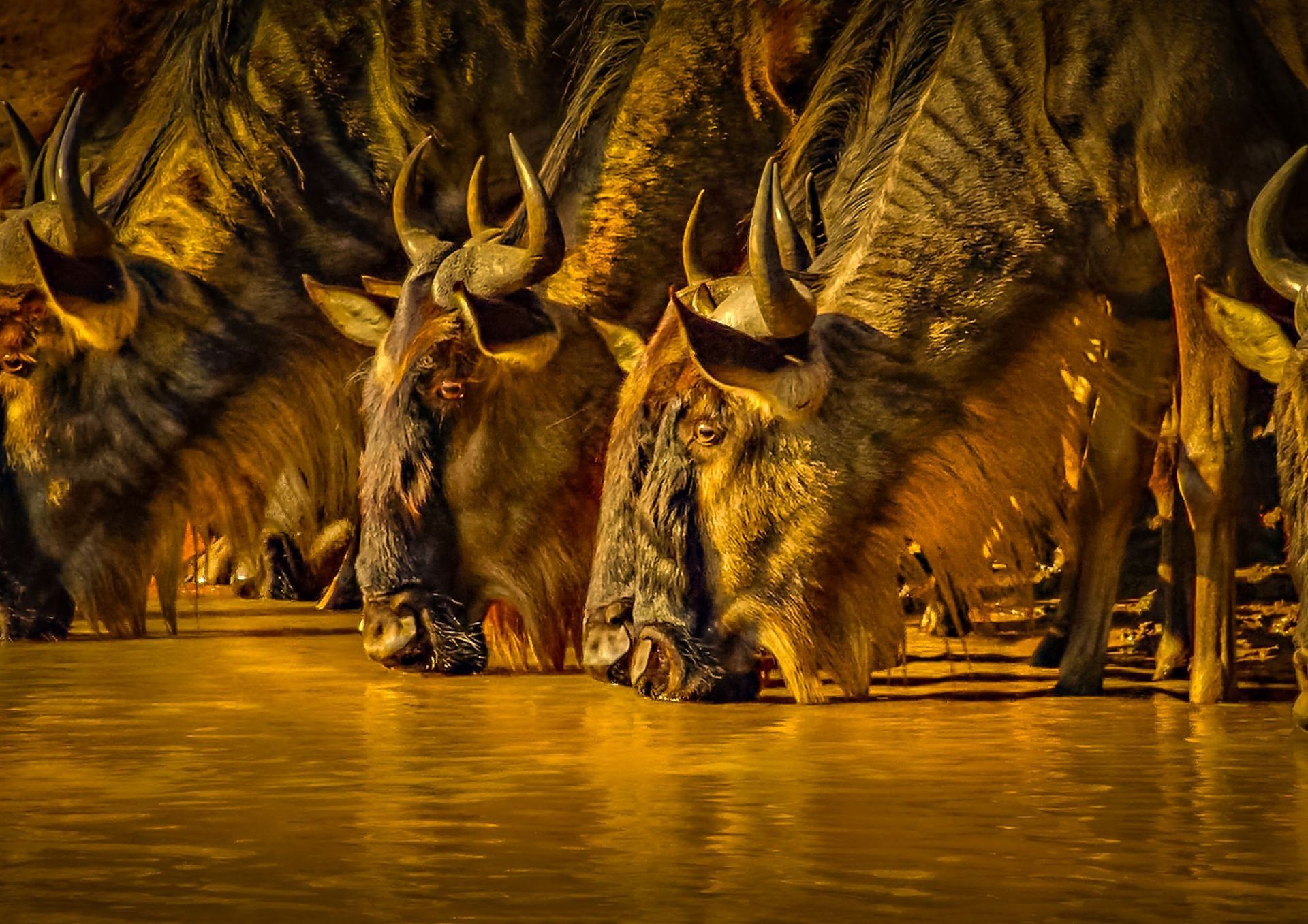
The Serengeti, inscribed as a UNESCO World Heritage Site in 1981, hosts the Great Migration, that ceaseless, year-round movement of more than 1,5-million wildebeest and hundreds of thousands of zebra that has been repeating across the same ancient routes since long before anyone was keeping count.
These are not overhyped places on a bucket list, but rather something extraordinary, and they belong on the itinerary of anyone who has never seen them and those who already have.
The river that goes nowhere but arrives everywhere...
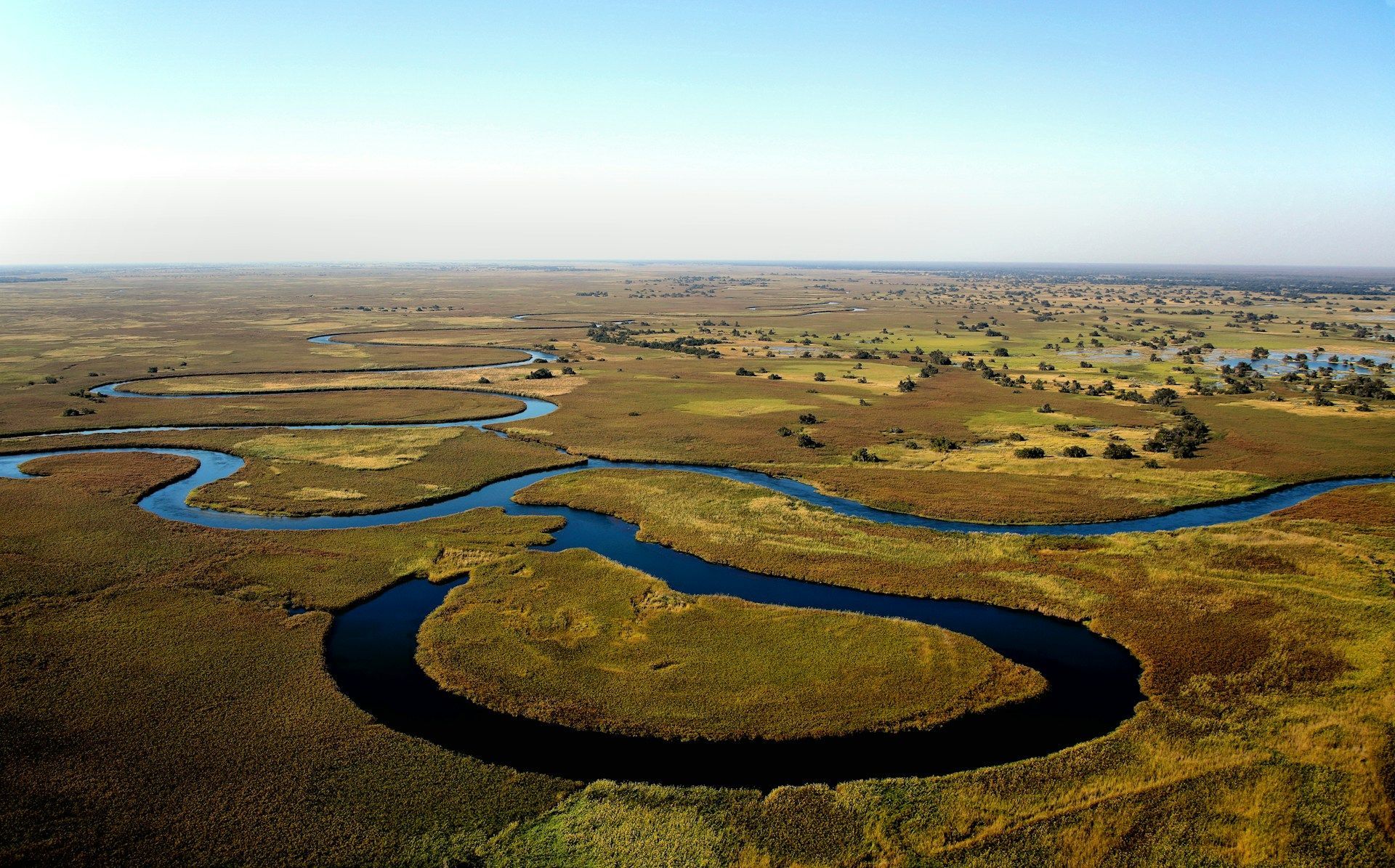
Most rivers end at the sea, but the Okavango, rising in the highlands of Angola and travelling 1,000km south-east into the heart of the Kalahari, ends in the desert, spreading into a vast inland delta of channels and islands and floodplains that covers an area roughly the size of Switzerland.
It supports one of the most diverse concentrations of wildlife in Africa and was inscribed as a UNESCO World Heritage Site in 2014, described by the committee as one of the very few large-scale alluvial fans in the world and a rare example of an intact, functioning delta ecosystem.
What that language doesn't quite capture is the particular beauty of moving through the Okavango by mokoro in the early morning, the papyrus closing overhead, a malachite kingfisher sitting on a reed not 2m away with the indifferent perfection of a creature that has never needed to be anywhere else.
The delta changes with the seasons as the annual flood pulse moves down from Angola, and the experience of being in it during the flood, when the water table rises and the animals move onto the islands and the birdlife reaches a kind of improbable abundance, is one of the most immersive things Africa offers.
These are the places celebrated as "wonders", but Africa has so much more that's wonderful if you know where to look. Thankfully, we do...
A blast from the past...
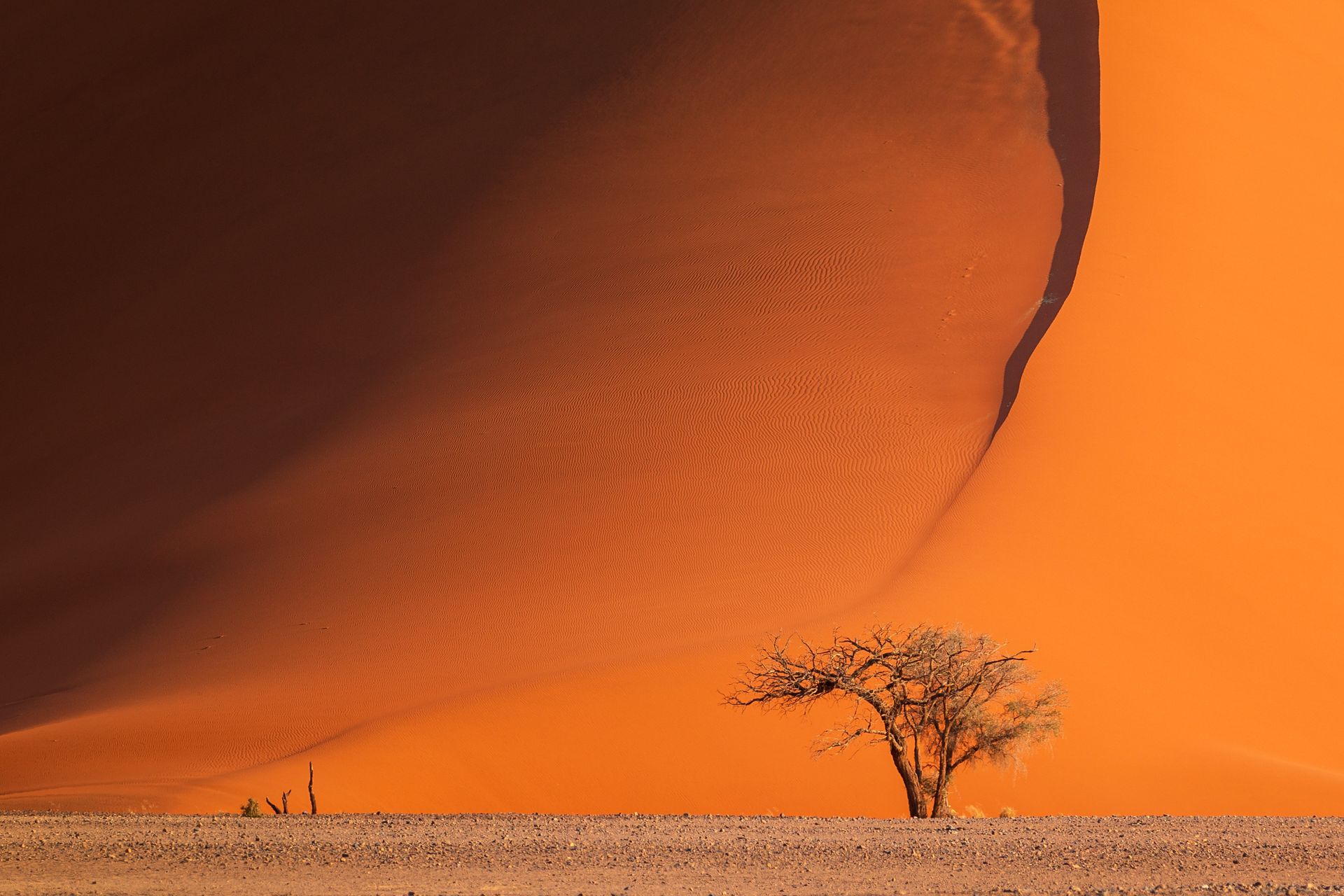
In Namibia's vast and mind-blowingly beautiful Damaraland sits Twyfelfontein, a place that houses thousands of years of human conversation within its desolate landscape. In this place of burnt orange rock and absolute silence, someone began making marks on the sandstone approximately 6,000 years ago. They kept making them, generation after generation, until the rock faces of Twyfelfontein accumulated one of the largest and most significant collections of rock engravings in Africa.
More than 2,500 individual petroglyphs depict lions, rhinoceros, elephant, giraffe, antelope and the particular symbols of the San people who made them, people who read the land with a precision and intimacy that the modern world has largely forgotten how to achieve.
Inscribed as Namibia's first UNESCO World Heritage Site in 2007, Twyfelfontein is not a place that announces itself dramatically. The engravings are not enormous. They require you to get close, to crouch down and look carefully, to follow the line of a carved giraffe across the rock with your finger and understand that the hand that made it belonged to someone who had watched that animal move across this exact landscape and wanted to record what they saw with a fidelity that 6,000 years has done nothing to diminish.
It is one of the most quietly humbling experiences Africa offers, and it is visited by a fraction of the people who pass through Namibia every year.
The Louvre of the Kalahari
In the north-western corner of Botswana, rising improbably from the flat expanse of the Kalahari, four hills of ancient rock contain more than 4,500 San rock paintings spanning at least 100,000 years of human habitation, the highest concentration of rock art in the world.
This is Tsodilo Hills, a place the San called the Mountains of the Gods. The Hambukushu people who have lived in the area for centuries believe the hills to be the site of the world's first creation, the place where the gods landed after making the earth and left the marks of their presence in the stone.
UNESCO inscribed Tsodilo in 2001, describing it as an outstanding example of man's interaction with his natural environment over millennia. What that careful language gestures toward but doesn't quite say is that standing at Tsodilo on a still morning, with the paintings around you and the desert stretching away in every direction and no sound except the wind moving through the rock, is to feel something shift in your understanding of what Africa is and how long it has been inhabited and how much of its history the landscape is still quietly holding.
The city that rewrote history
In the south-eastern lowveld of Zimbabwe, the ruins of a city stand in a landscape of granite kopjes and msasa woodland, and the scale of what remains, dry-stone walls of extraordinary precision, some of them 11m high and 5m thick, built without mortar and without any apparent European influence, tells a story that colonial-era historians spent considerable energy trying to suppress.
Great Zimbabwe was the capital of a Shona kingdom that controlled the gold trade between the African interior and the Swahili coast from the 11th to the 15th century, a sophisticated, wealthy, architecturally accomplished civilisation that flourished here centuries before the first European set foot in southern Africa.
The name Zimbabwe itself derives from the Shona dzimba dza mabwe, meaning houses of stone, and the great enclosure at the heart of the site, with its conical tower and its labyrinthine passageways, remains one of the most impressive pre-colonial structures on the continent.
Inscribed as a UNESCO World Heritage Site in 1986, Great Zimbabwe is visited by relatively few travellers, which is either a reflection of how poorly it is understood or an opportunity, depending on your perspective. For anyone with an interest in the depth and complexity of African history, it is unmissable.
The island that went its own way
Madagascar has been an island for approximately 88-million years, long enough to have developed an ecosystem so distinct from the rest of Africa, and from the rest of the world, that it operates as a kind of biological parallel universe.
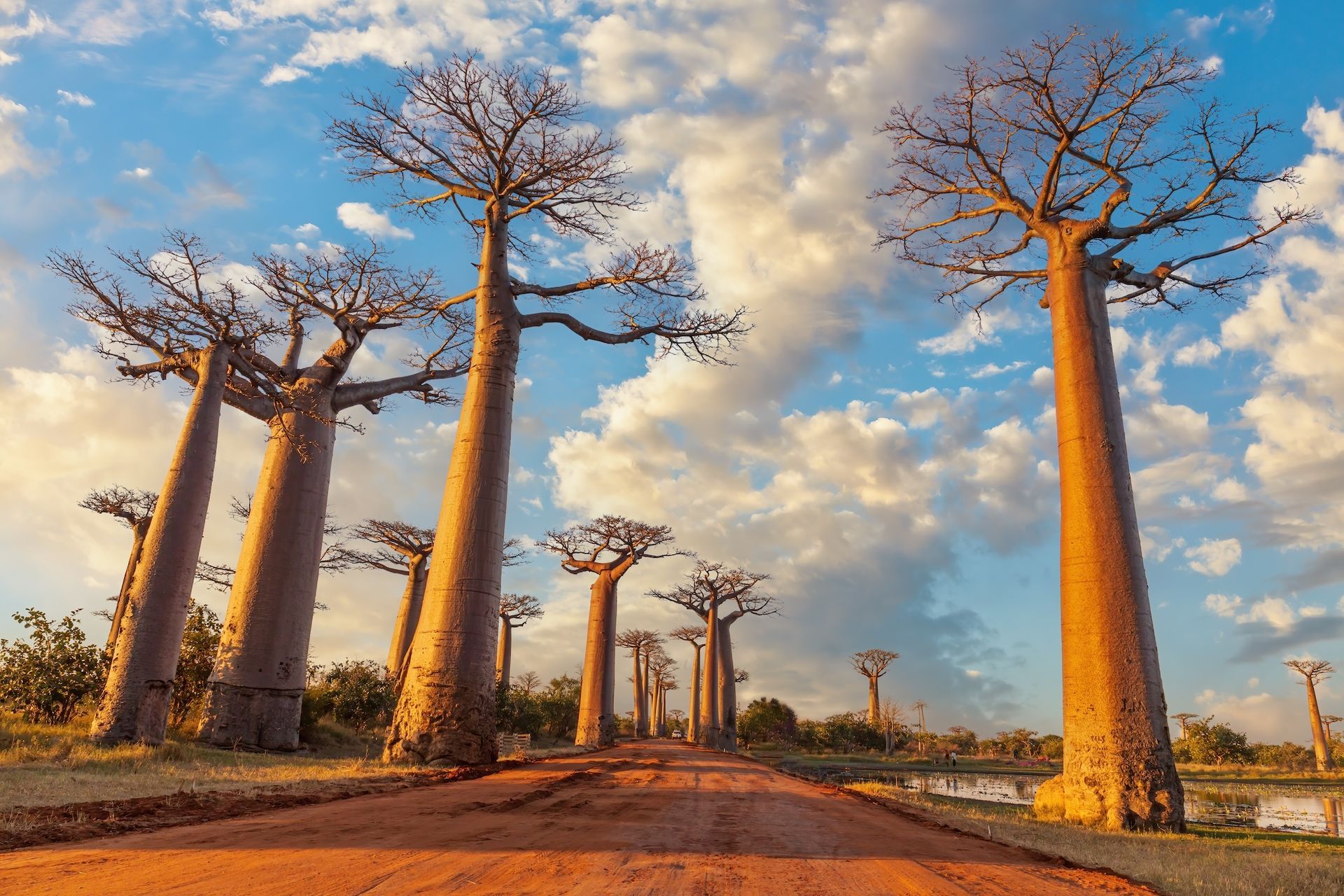
Around 90 per cent of its wildlife exists nowhere else on earth, including all 100-plus species of lemur, the Avenue of the Baobabs where ancient trees of impossible girth line a red dirt road in the Menabe region like something from a dream, and the Tsingy de Bemaraha, a UNESCO World Heritage Site of limestone karst formations so sharp and so dense that they are largely impenetrable on foot and have protected the ecosystems within them from human disturbance for centuries.
Madagascar is not an easy destination. The infrastructure is challenging, the logistics require patience and the distances are considerable. But for the traveller who wants to see wildlife that has evolved in complete isolation, landscapes that exist nowhere else on the planet and a culture shaped equally by African, Arab, Malay and French influences into something entirely its own, it delivers in ways that are genuinely difficult to find anywhere else on earth.
1000 years of Swahili civilisation
Not every wonder announces itself with spray and thunder. Some arrive quietly, in the form of a medieval town on a coral island off the northern coast of Kenya, where the streets are too narrow for cars and the air smells of salt and woodsmoke and the particular sweet decay of old coral stone buildings that have been absorbing the Indian Ocean for the better part of a thousand years.
Lamu Old Town is the oldest and best-preserved Swahili settlement in East Africa, a UNESCO World Heritage Site since 2001, and it offers the safari traveller something that no game reserve can: the extraordinary layered complexity of a civilisation that has been continuously inhabited since the 12th century and shows no intention of simplifying itself for the benefit of visitors.
The dhows still work the harbour, the Friday mosque still fills and the donkeys, the only permitted transport on most of the island's streets, navigate the alleys with the resigned expertise of animals that have been doing this longer than anyone can remember. As an add-on to a Kenya safari, Lamu is the kind of place that reorders the trip entirely.
Tanzania's best-kept secret
Ruaha is an untouched gem of a place. It's Tanzania's largest national park and sits in the remote south-central interior of the country, far from the northern circuit and the well-worn routes between Arusha and the Serengeti, and that distance is precisely what makes it extraordinary.
Covering more than 20,000 square kilometres of wild woodland, open grassland, rocky escarpment and the broad, sand-banked sweep of the Great Ruaha River, it supports wildlife populations of a scale that would be headline news if the park were better known. More than 10,000 elephant range across its landscapes, lion densities are among the highest in Africa, leopard are regularly seen, painted wolves (African wild dogs) hunt the open ground, and the bird list, running to well over 570 species, is one of the most impressive on the continent.
What Ruaha offers above everything else is space and solitude. On a morning game drive here, with the river catching the early light and kudu moving through the jesse bush on the far bank, it is entirely possible to feel that you have the whole of Africa to yourself, which is a sensation that becomes increasingly rare and correspondingly precious the more the continent's famous parks fill up.
Ruaha is not undiscovered, but it remains, stubbornly and wonderfully, one of the least crowded significant wildlife destinations in East Africa, and for the traveller ready to move beyond the familiar, it rewards that decision comprehensively.
Travelling deeper
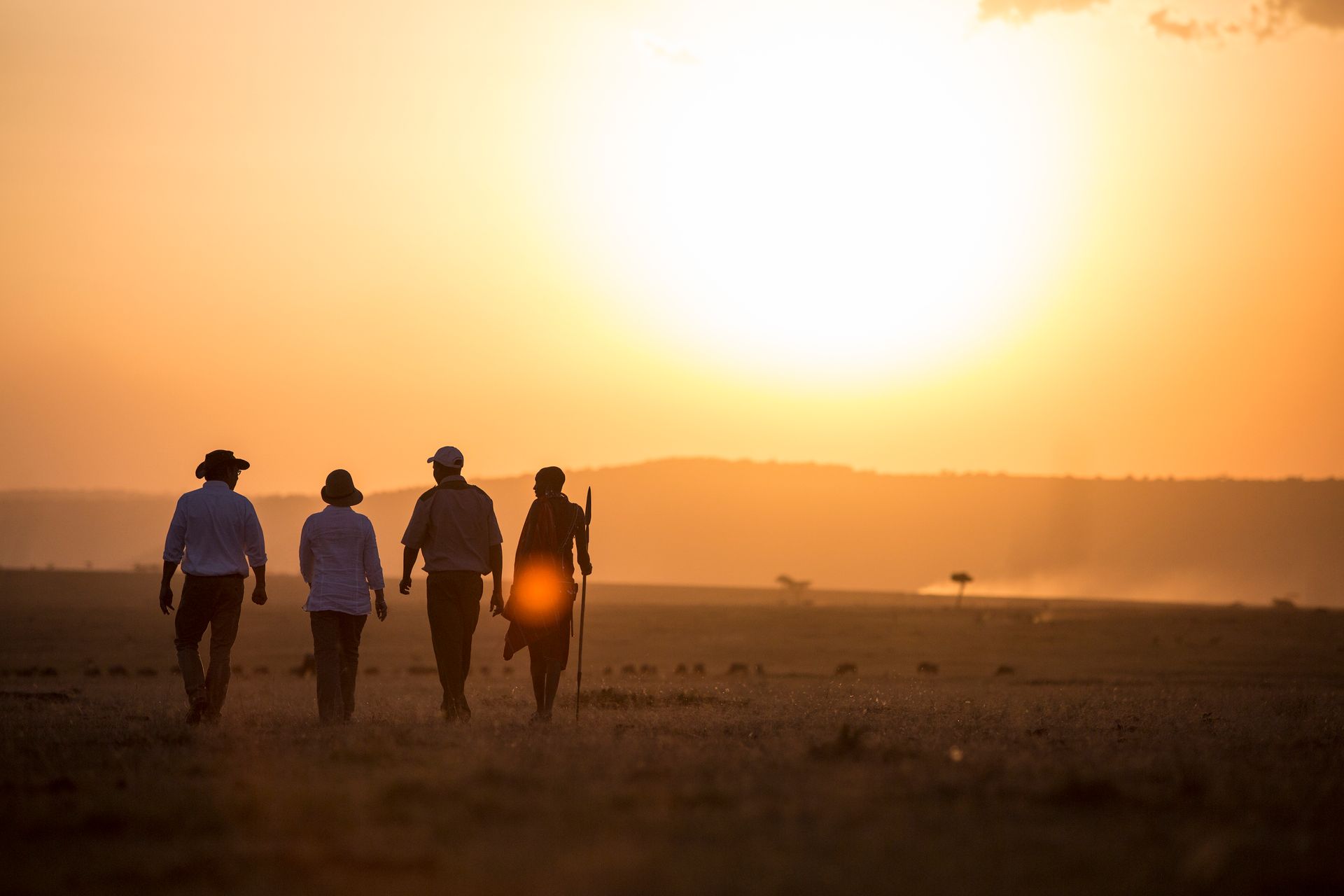
The great privilege of travelling with people who know Africa as well as UBON Safari's founders Umang and Beena know it is that none of these places needs to be experienced in isolation. Victoria Falls sits naturally alongside an Okavango safari. The Serengeti leads to Ngorongoro and from there, for those willing to go further south, to the great sweep of Ruaha. Twyfelfontein and Tsodilo belong to a Southern Africa journey of genuine depth, one that moves through Namibia and Botswana with the coherence of a story rather than the randomness of a list.
If any of this has stirred something, the conversation starts with a
call or a message.