The case for Southern Africa
Southern Africa asks something different of the traveller. The landscapes here are more varied, the wildlife experiences more diverse in character, and the overall sense of a region with multiple distinct personalities, rather than a single dominant safari identity, is one of its most compelling qualities. It is, in the most complimentary possible sense, harder to summarise.
Botswana is the place to begin any serious conversation about Southern Africa, because it represents something genuinely rare: a country that has built its entire tourism model on the principle that fewer visitors paying more produces better conservation outcomes and better experiences, and has proved, over several decades, that it is correct.
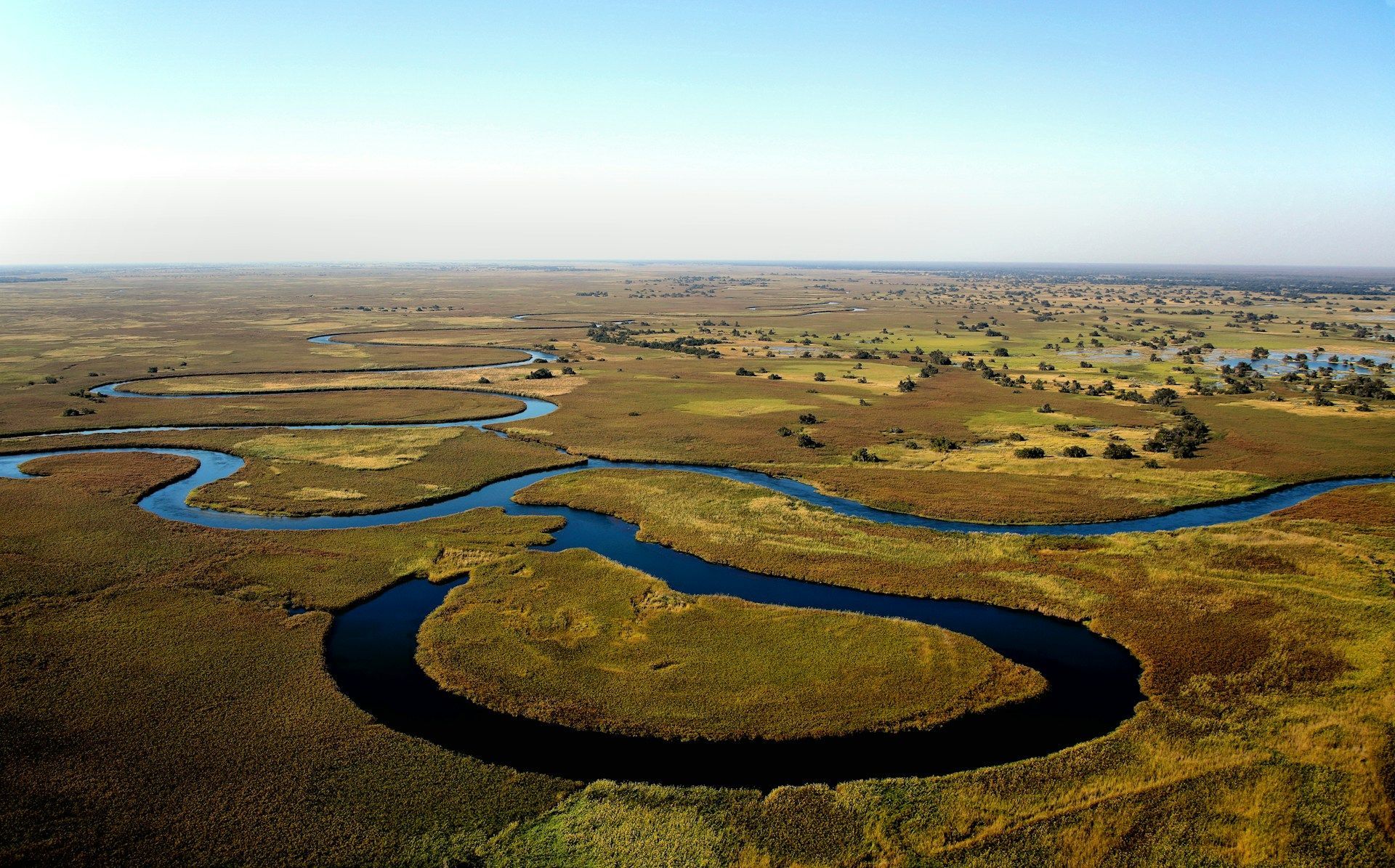
The Okavango Delta is one of the world's great natural wonders, a river that travels 1,000km from the Angolan highlands only to fan out into the Kalahari desert in a system of channels, islands and floodplains that supports wildlife of extraordinary diversity. A mokoro trip through the papyrus, with a poler moving you silently through water that reflects the morning sky, is as far from a game drive as it is possible to get while still being unmistakably on safari.
Chobe's elephant population, estimated at around 50,000, represents the largest concentration of African elephant anywhere on the continent, and watching them congregate at the river in the late afternoon light, in numbers that the eye struggles to process, is one of Southern Africa's defining experiences.
Zambia and Zimbabwe together offer walking safaris of a depth and quality that is unmatched anywhere in Africa, and the walking safari tradition, pioneered in the Luangwa Valley by Norman Carr in the 1950s, remains one of the most profound ways to experience the African bush. Victoria Falls sits at the junction of the two countries and delivers precisely what it promises, which is that very rare thing in travel, and more besides.
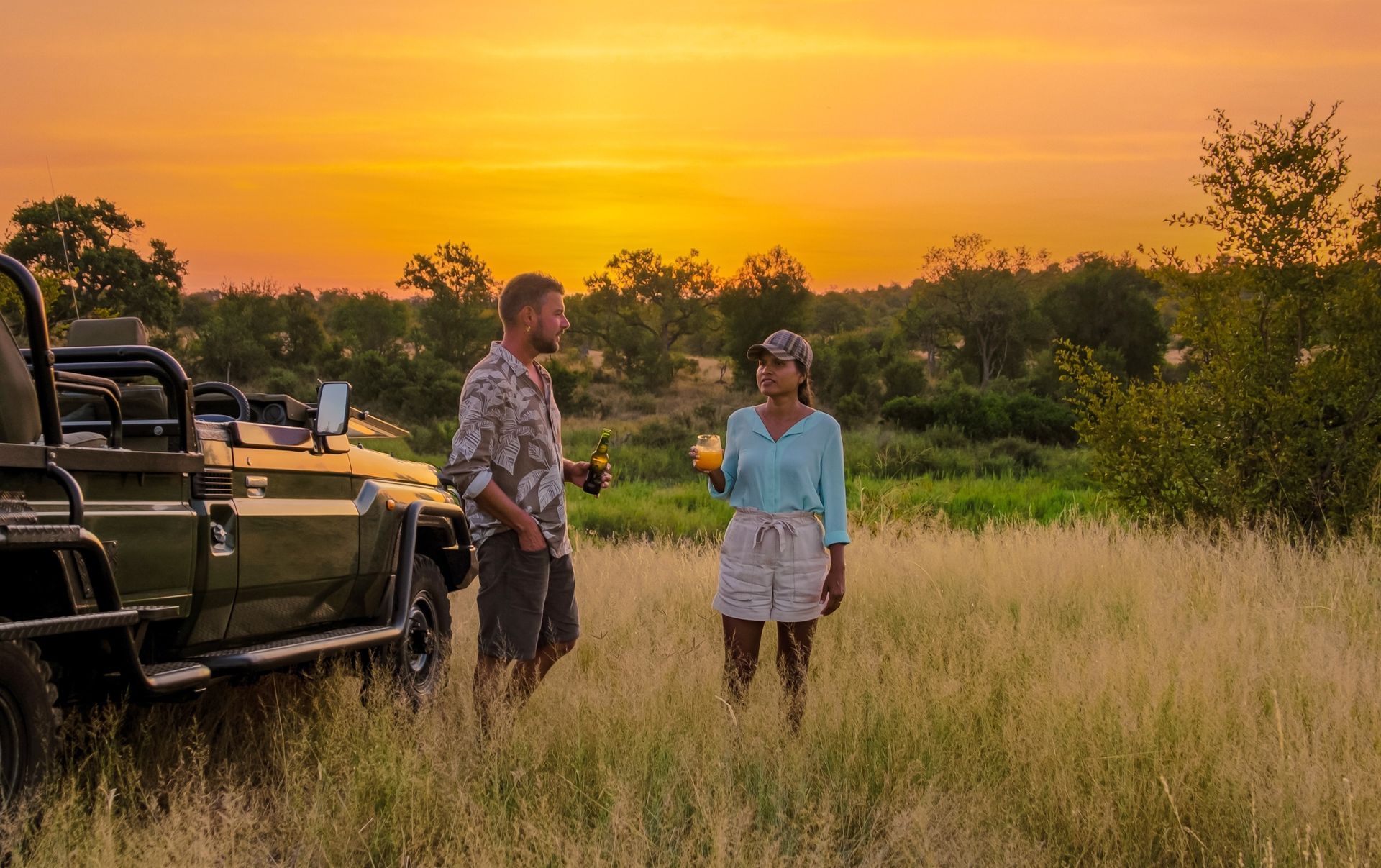
South Africa brings a different set of considerations entirely. The Greater Kruger, with its extraordinary network of private reserves bordering the national park, offers some of the finest Big Five game viewing in Africa combined with lodge accommodation that sets the standard for the continent, and the self-drive option within the national park itself gives independent travellers a degree of freedom unavailable in most other major reserves.
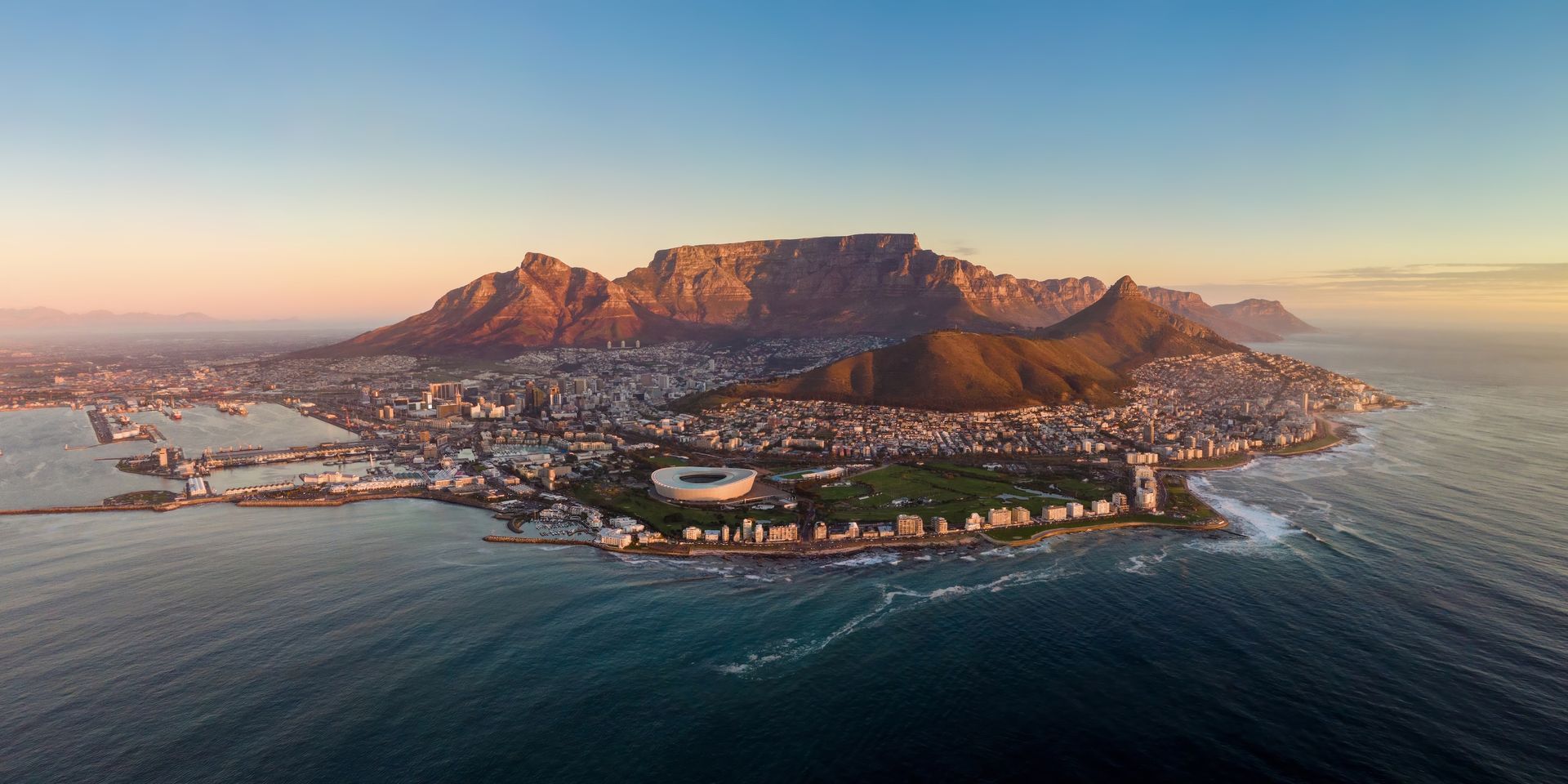
Cape Town, the Winelands and the Garden Route add a dimension of culture, cuisine and landscape to a South Africa itinerary that makes it the most naturally multi-faceted of all Southern African destinations.
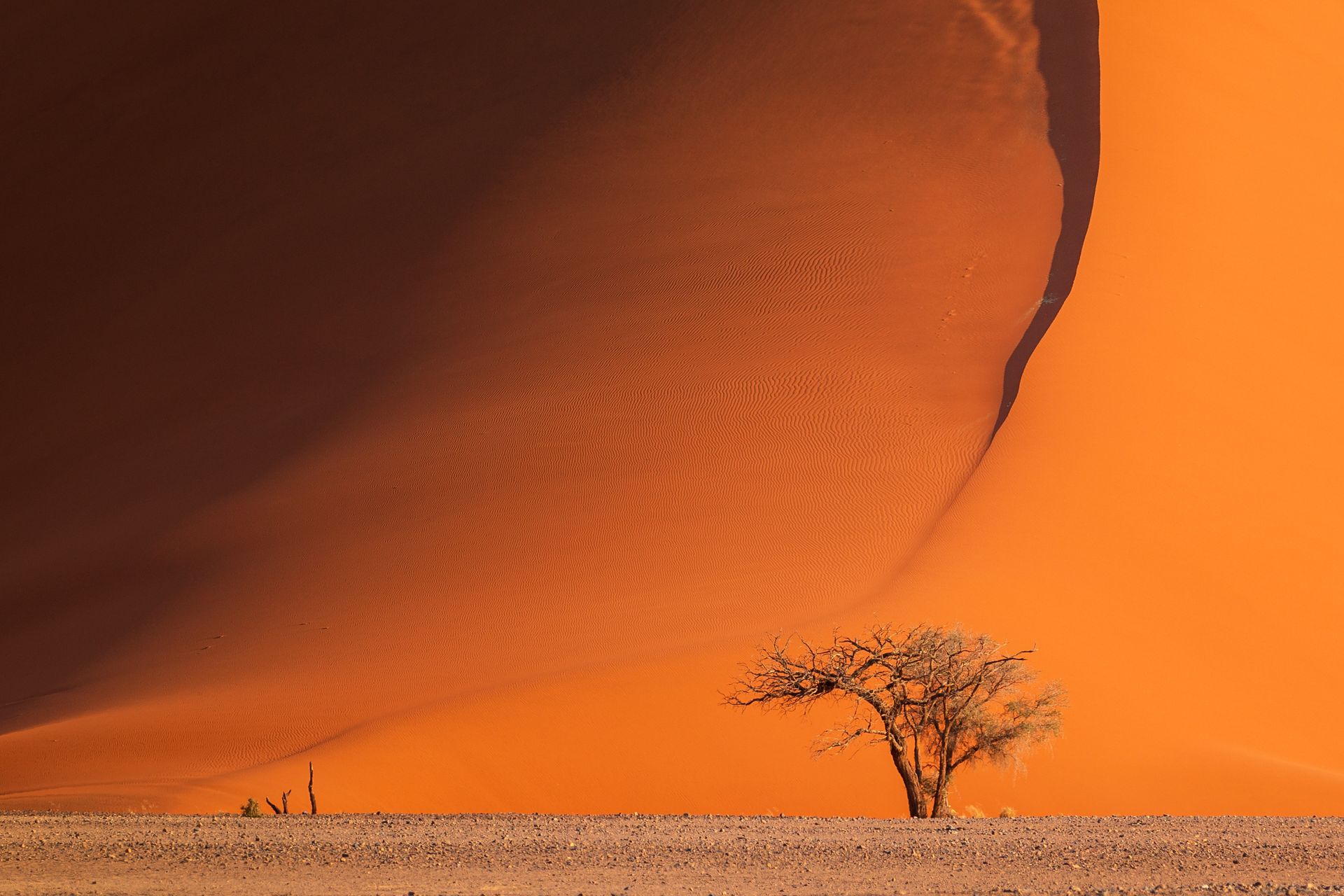
Namibia, meanwhile, belongs to no obvious category at all. It's a destination of such singular character, from the 55-million-year-old dunes of Sossusvlei to the ancient petroglyphs of Twyfelfontein, the desert-adapted elephant of Damaraland to the extraordinary remoteness of the Skeleton Coast, that comparing it to anywhere else feels slightly beside the point. Namibia is an experience you have once and spend years attempting to adequately describe.
The wildlife question
This is where the comparison gets interesting, because the honest answer is that the wildlife of East Africa and Southern Africa overlap considerably in terms of species but differ significantly in terms of how and where you encounter them.
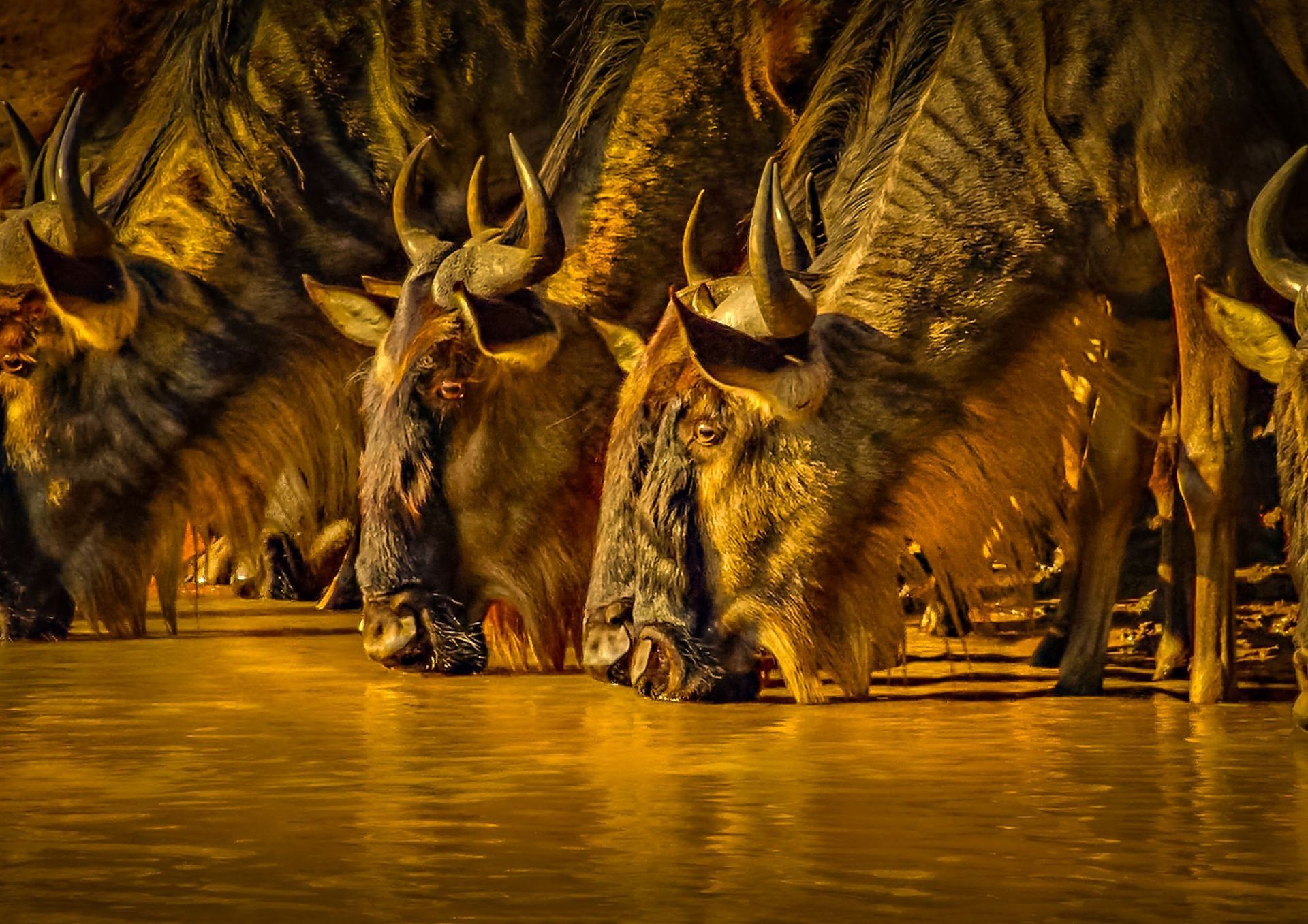
East Africa's wildlife exists at scale. The plains of the Serengeti and the Mara support predator populations of a density and visibility that is exceptional by any standard, and the open grassland landscape means that a game drive here offers long sightlines and the kind of dramatic tableau, a cheetah on a termite mound scanning the plains, a pride of lions spread across a kill in the early morning light, that has defined the popular image of an African safari for decades.
Southern Africa's wildlife encounters tend to be more intimate, more varied in character and more dependent on habitat. The thick bush of the Greater Kruger makes leopard sightings a skill rather than a certainty, and the reward when it happens is correspondingly greater.
The waterways of the Okavango offer wildlife encounters of a completely different quality, at water level, from a mokoro or a boat, in an environment where the hippo's back and the sitatunga's flank are separated from you by a few metres of water rather than a few metres of open ground.
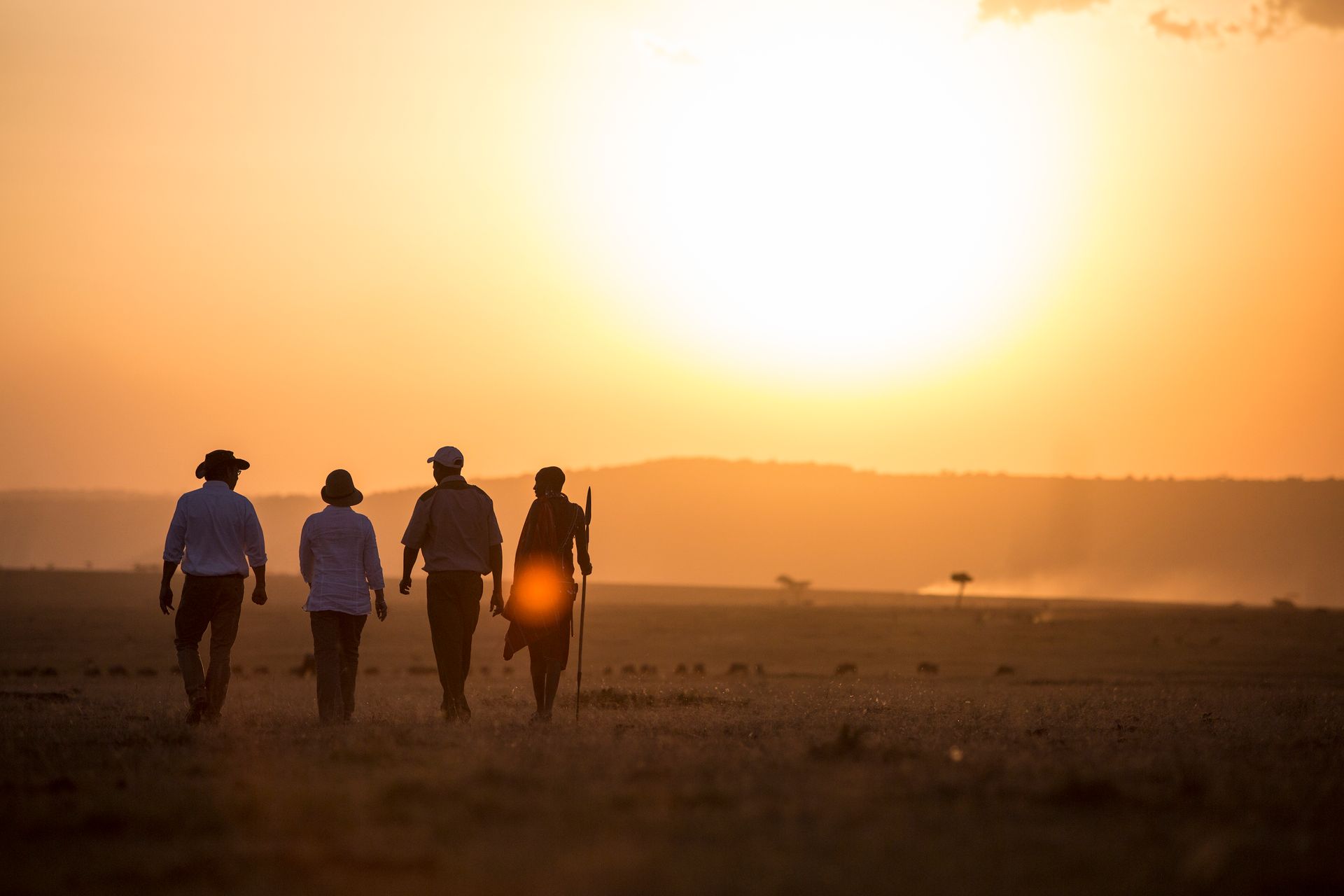
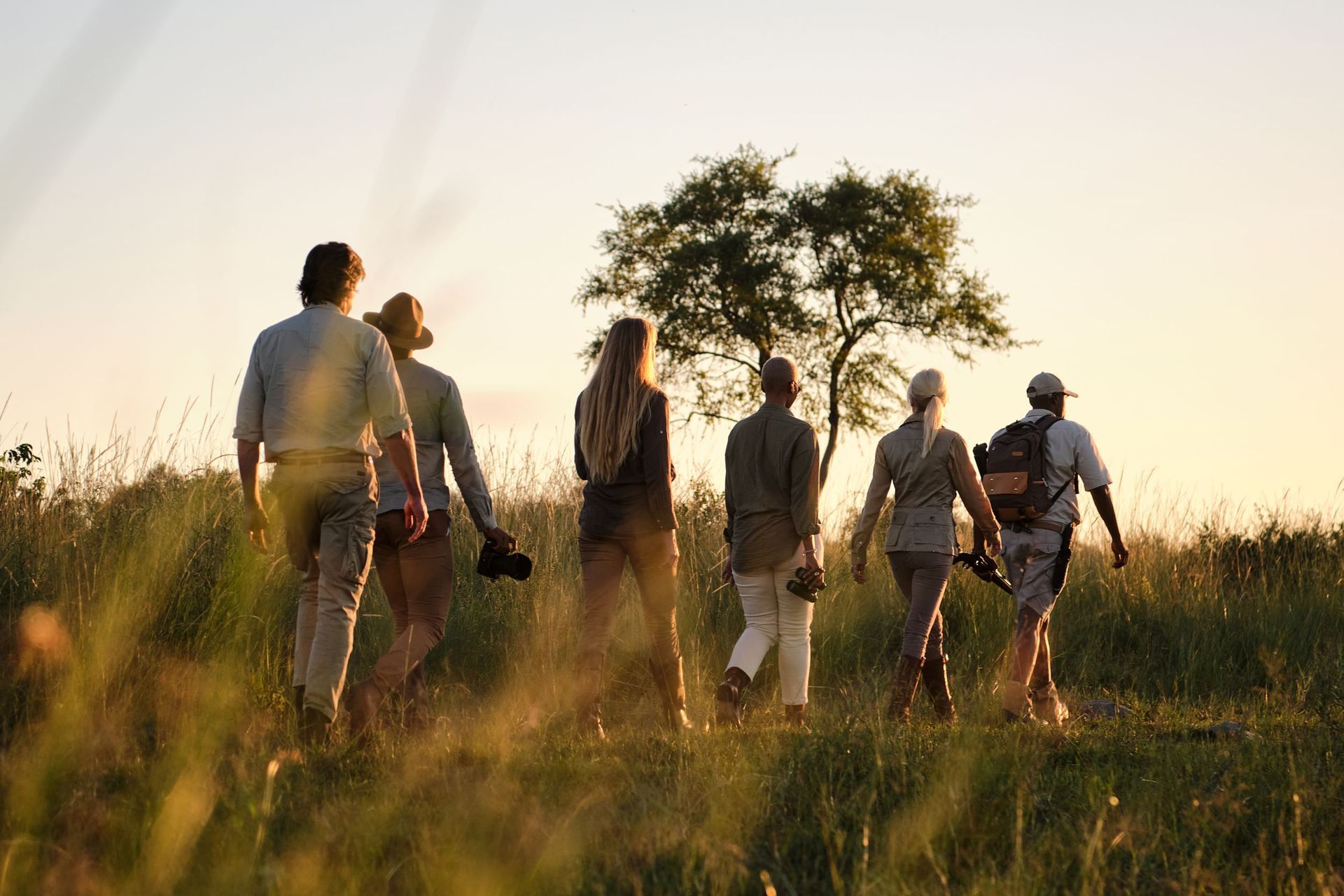
Walking in Zambia puts you entirely inside the ecosystem rather than observing it from a vehicle, and the experience of tracking lion on foot with an expert guide in South Luangwa is one that very few other safari experiences can match for sheer visceral intensity.
The practical question: when to go
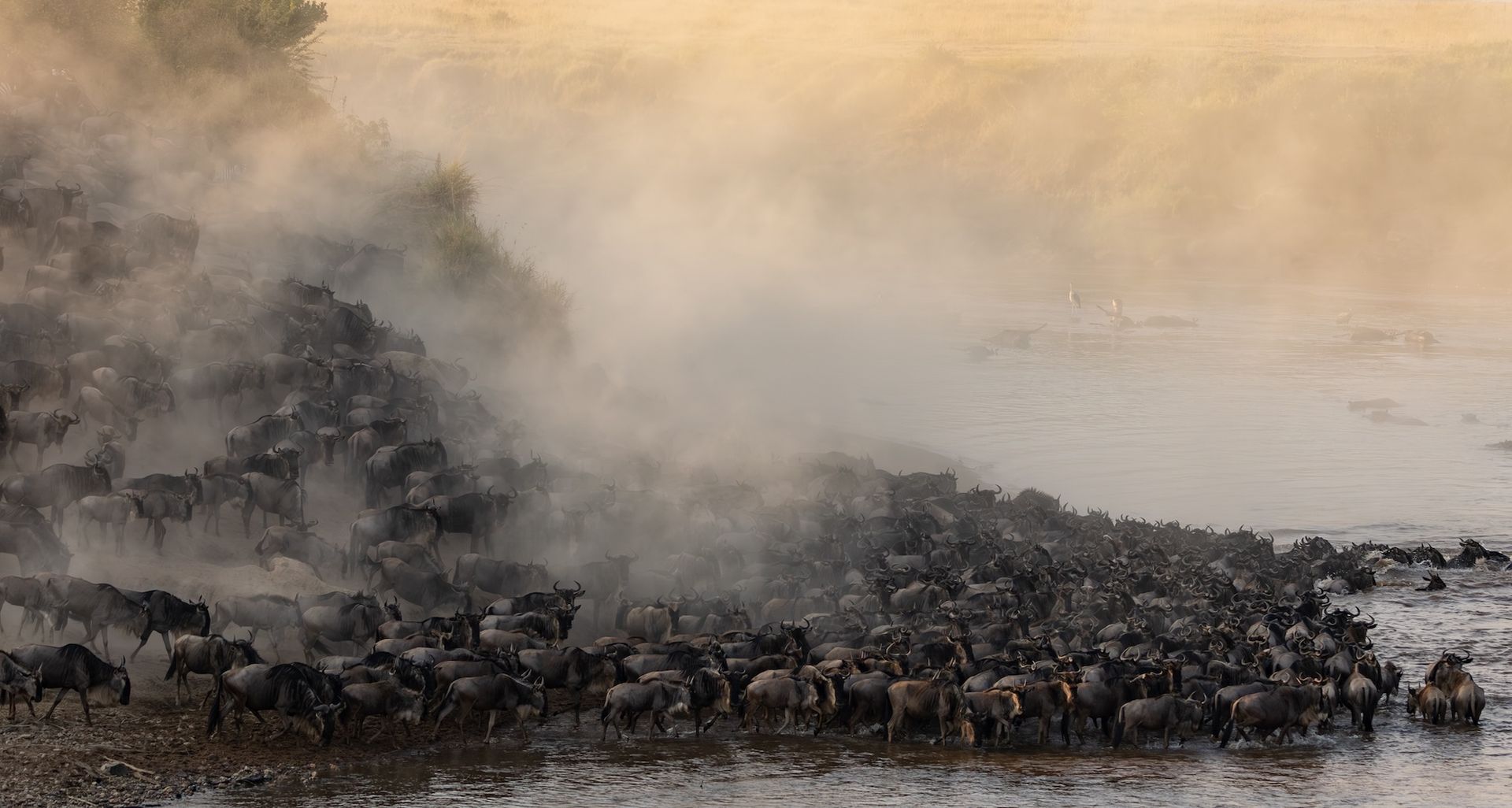
East Africa is broadly a year-round destination, with the significant caveat that the Great Migration follows its own calendar, and timing a visit to the Mara or the Serengeti around the river crossings requires planning and a degree of flexibility. The long rains in April and May thin the visitor numbers considerably and transform the landscape into something lush and surprisingly beautiful, with the added benefit of excellent birding and newborn wildlife in abundance.
Southern Africa's dry season, running broadly from May through to October, represents the classic safari window across most of the region, when dropping water levels concentrate game around permanent sources and the thinning vegetation opens up sightlines. The green season from November to April, however, brings its own considerable rewards, particularly in Botswana, where the Makgadikgadi Pans host the second largest zebra migration on earth during the summer rains, and across the broader region, where the extraordinary emerald beauty of the wet season bush, the dramatic skies and the abundance of newborn wildlife make a compelling case for travelling outside the traditional dry season window.
So which should you choose?
If the Great Migration is a life ambition, if gorilla trekking is on your list, if the iconic imagery of golden plains and vast open skies is the Africa you've been dreaming of, East Africa is where you should begin. If you're drawn to the idea of a more varied experience, to different landscapes and habitats and ways of experiencing the wildlife, if the thought of a walking safari or a mokoro trip or a self-drive through the Kruger appeals to something specific in you, Southern Africa will reward that instinct generously.
And if you simply can't decide, which in our experience is the position most people find themselves in after a conversation that begins with "we're thinking about Africa", then the answer that Umang and Beena have been giving for more than 35 years is the one that still holds: do both. Africa is large enough, and varied enough, and extraordinary enough, to justify coming back. Most people do!