The northern circuit is where most people begin, and with very good reason. The south is where many of them eventually end up, and with equally good reason. What follows is an attempt to lay both out honestly, without the promotional enthusiasm that tends to flatten the genuine differences between them into a list of superlatives that serves nobody well.
The north: iconic for a reason
The Serengeti alone would justify Tanzania's reputation as the world's pre-eminent safari destination. Covering nearly 15,000 square kilometres of open savannah, woodland and riverine forest, it supports wildlife in concentrations that are genuinely difficult to overstate, including the largest lion population in Africa, significant cheetah numbers, an abundance of leopard and the full cast of prey species that sustains them.
The landscape has a quality that is instantly recognisable to anyone who has ever seen a wildlife documentary, vast and golden and apparently endless, with the kind of long sightlines that allow game viewing of a cinematic sweep unavailable in denser bush.
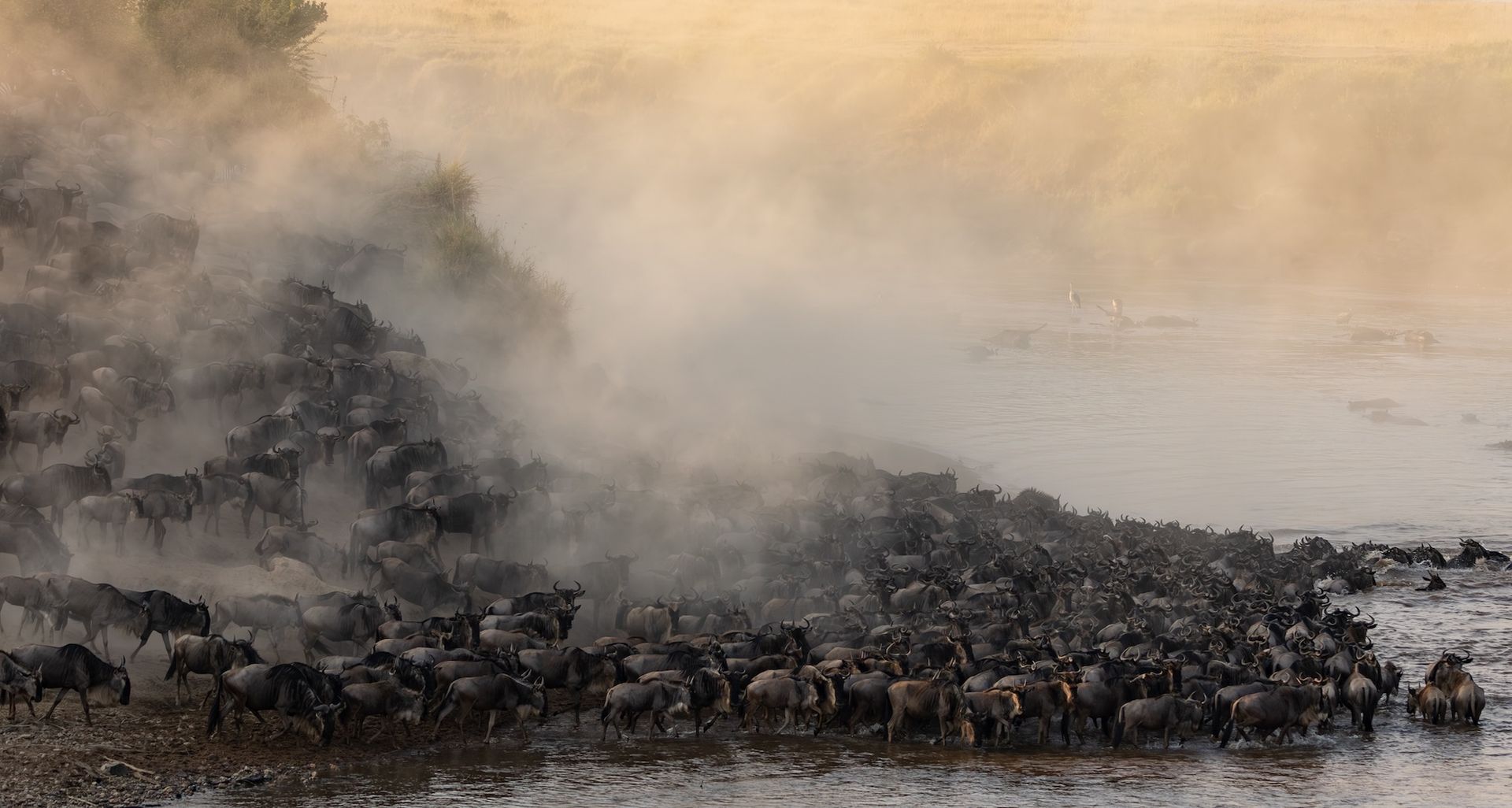
The Great Migration, that ceaseless year-round movement of more than 1,5-million wildebeest and hundreds of thousands of zebra across the Serengeti-Mara ecosystem, is the event that draws most first-time visitors and that continues to draw experienced safari-goers back repeatedly. The river crossings at the Grumeti and Mara rivers, when the herds funnel into the water and the crocodiles gather and the chaos and the noise and the extraordinary violence of it unfolds in front of you, are among the most spectacular wildlife events on earth, and they are available nowhere else. Timing a visit around the crossings requires planning and a degree of flexibility, but the effort is entirely justified.
Ngorongoro needs no embellishment either. The crater, 40km wide and 600m deep, contains one of the highest concentrations of wildlife anywhere in Africa within its ancient walls, including East Africa's most accessible population of black rhino. A morning in the crater, descending through the mist in the early light and emerging into a bowl of life so dense it barely seems real, is an experience that stays with the traveller permanently. The fact that it sits within an hour's drive of the Serengeti makes the northern circuit, logistically, one of the most rewarding safari itineraries anywhere on the continent.
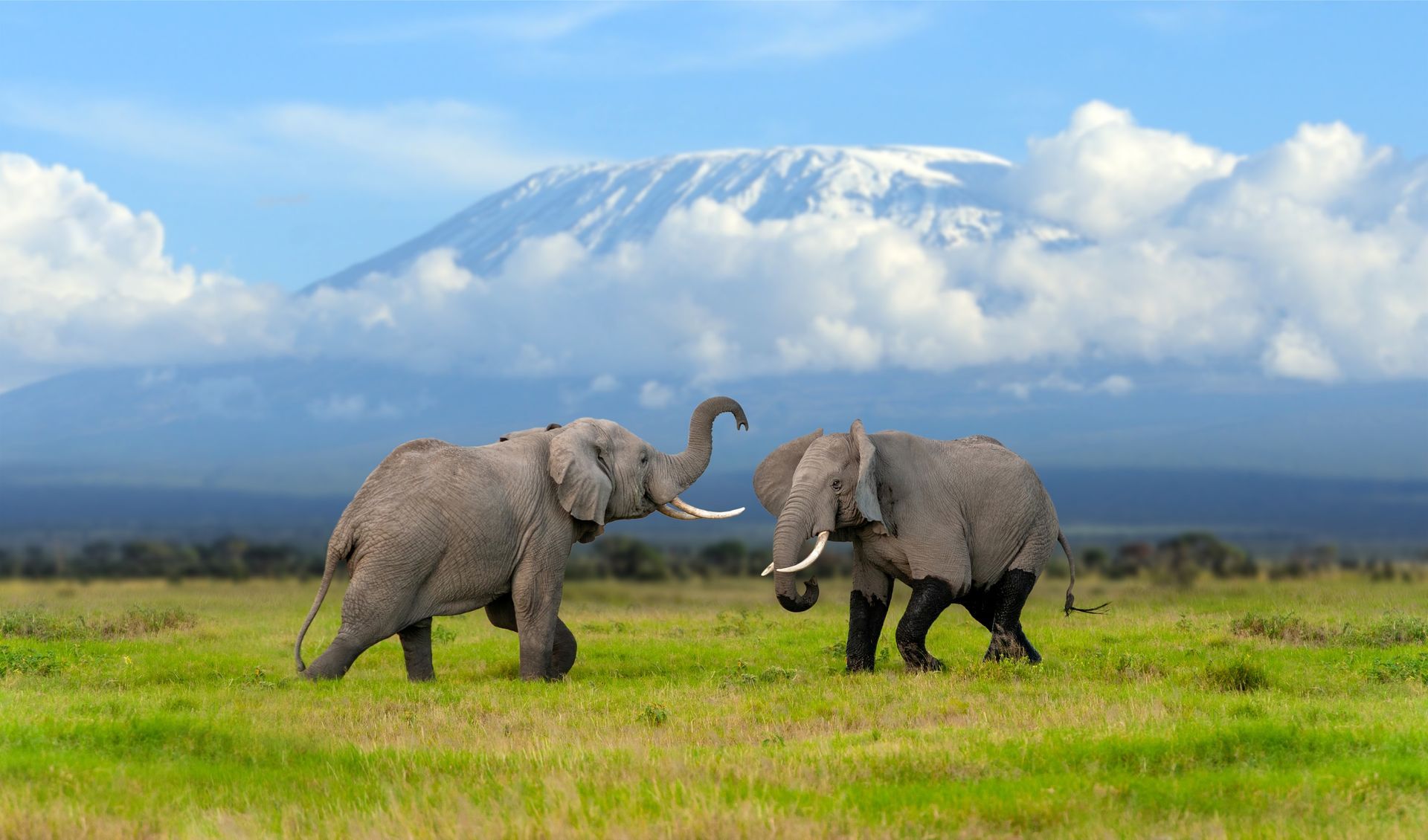
Tarangire, often treated as an add-on to the northern circuit rather than a destination in its own right, deserves considerably more credit than it typically receives. In the dry season, its elephant population, one of the largest in Tanzania, congregates along the Tarangire River in numbers that produce some of the most dramatic elephant sightings in Africa. The ancient baobabs that punctuate its landscape give it a visual character entirely its own, and the tree-climbing lions, a behaviour documented here with more consistency than almost anywhere else in Africa, add a dimension that surprises even experienced safari-goers.
The honest caveat about the northern circuit is one that nobody in the industry particularly enjoys raising but that any responsible adviser must: it is busy. The Serengeti and Ngorongoro are among the most visited wildlife destinations on earth, and the experience of sharing a sighting with a dozen other vehicles, which happens with some regularity in the peak season, is one that takes the edge off the wildness of the encounter.
The lodges and camps that sit within or adjacent to the parks range from genuinely excellent to breathtakingly luxurious, and the infrastructure of the northern circuit, the airstrips, the roads, the guiding standards, is the most developed in Tanzania. That development is a double-edged thing.
The south: a different Tanzania entirely
The south of Tanzania asks something different of the traveller. The distances are greater, the logistics more demanding, the infrastructure less polished and the experience, as a direct result of all of these things, more genuinely wild. If the northern circuit is Africa distilled into its most accessible and most spectacular form, the south is Africa in its raw state, unhurried and largely unmediated, with all the rewards and all the demands that implies.
Ruaha is the place to begin any serious conversation about the south. Tanzania's largest national park covers more than 20,000 square kilometres of miombo woodland, open grassland and rocky escarpment, and it is bisected by the Great Ruaha River, whose sand banks and pools concentrate wildlife in the dry season with extraordinary effect. The elephant population, one of the largest remaining in East Africa at an estimated 10,000 individuals, moves through the park in breeding herds of a scale that produces encounters of genuine power. Lion densities are among the highest in Africa. Leopard, wild dog and cheetah are all present in meaningful numbers, and the bird list, running to over 570 species, rewards the ornithologically inclined in ways that few other parks can match.
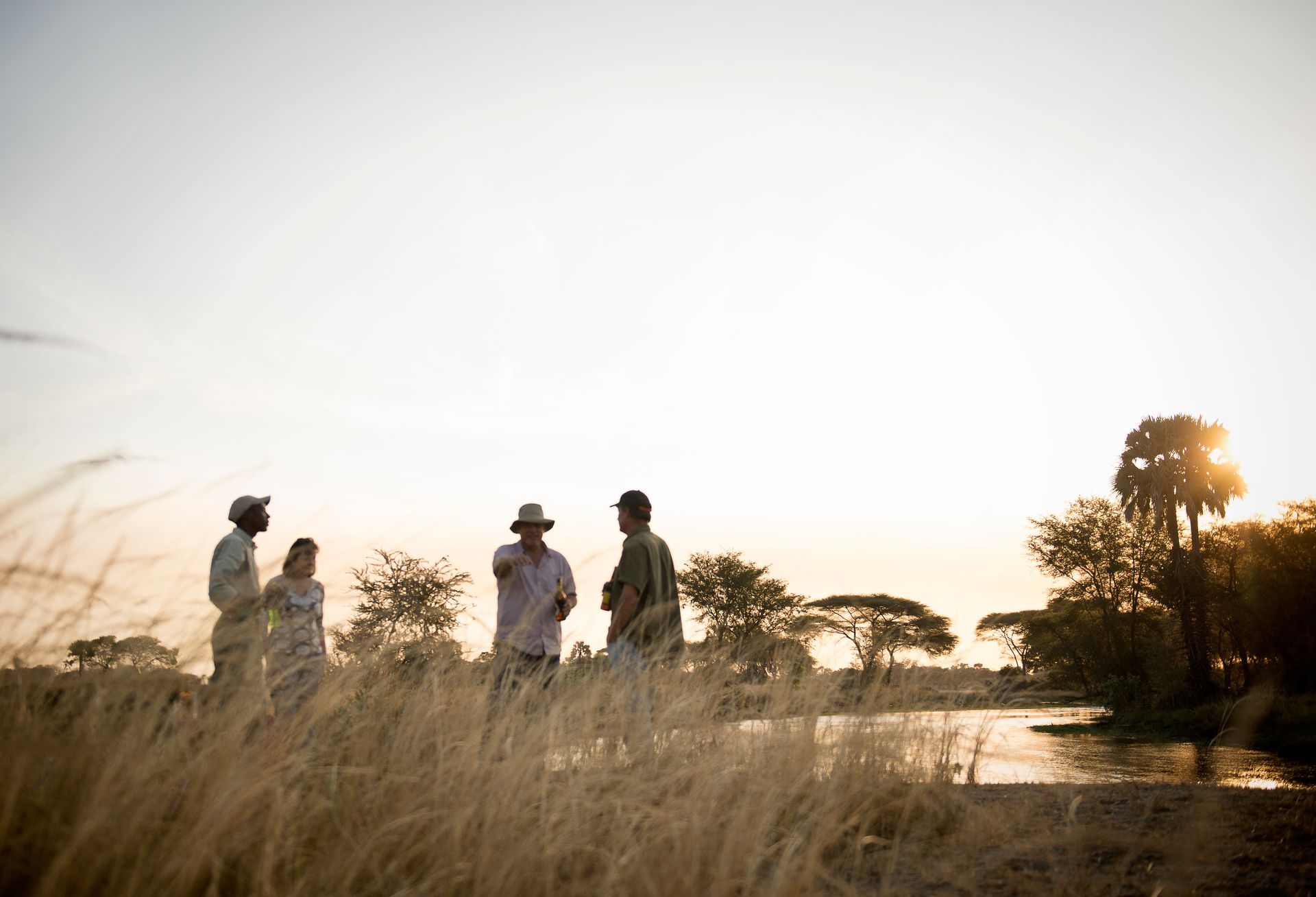
What Ruaha offers above everything else is space. On a morning game drive here, with the river catching the early light and the silence pressing in from every direction, it is entirely possible to spend several hours without encountering another vehicle. For the traveller who has experienced the northern circuit and found themselves slightly crowded by it, that solitude has a particular and profound value.
The Selous, now formally renamed the Nyerere National Park in honour of Tanzania's founding president, is Africa's largest game reserve by area and one of its least visited significant wildlife destinations. The Rufiji River runs through its heart, broad and slow and dense with hippo and crocodile, and the boat safaris it offers, drifting silently past elephants drinking at the bank and fish eagles calling from the fever trees above, provide a dimension of wildlife experience that no game drive can replicate.
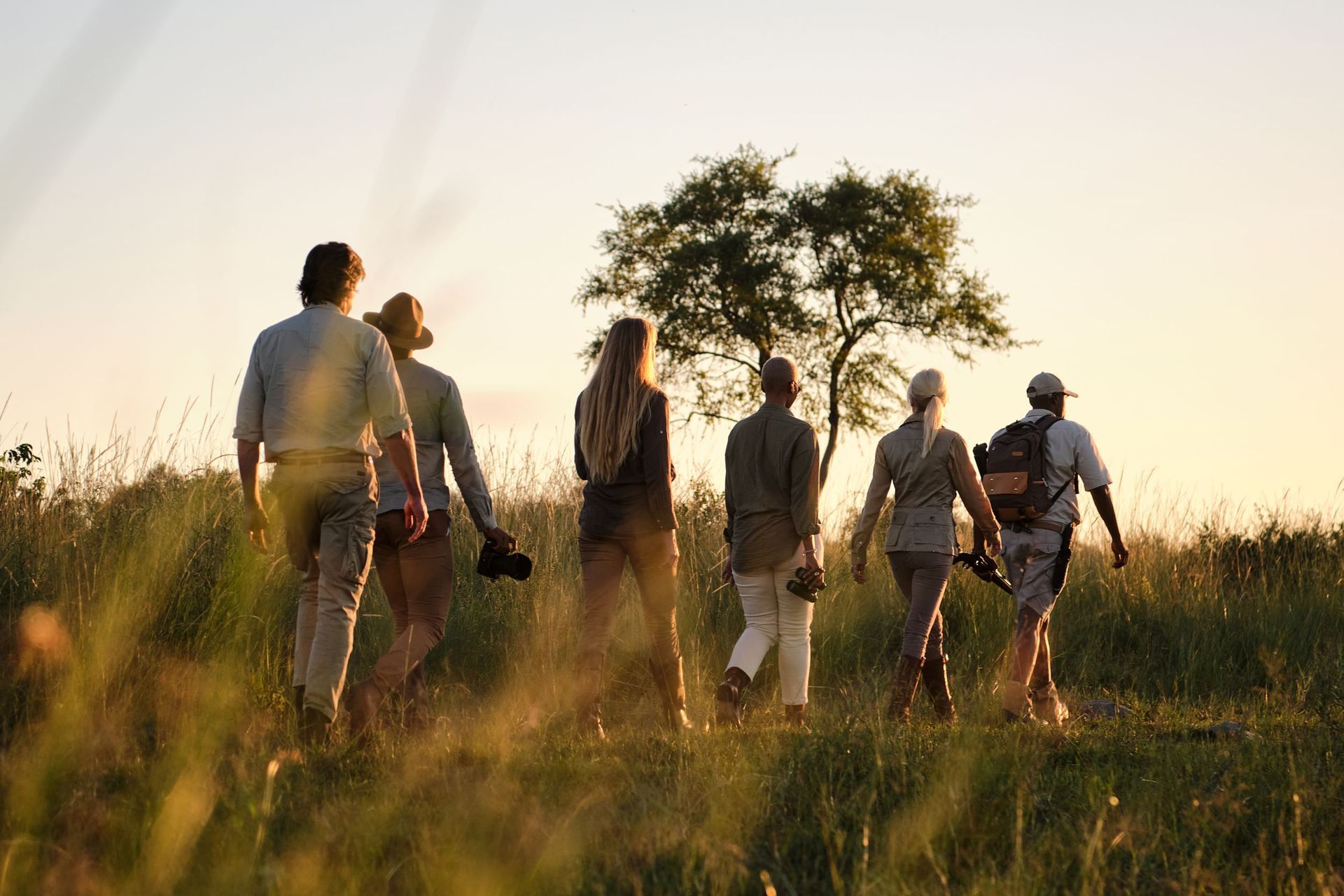
Nyerere also has a walking safari tradition of considerable depth, and its painted wolf (African wild dog) population, one of the more stable in East Africa, is a particular draw for those who regard Africa's most endangered large predator as the most compelling of all.
Mahale Mountains National Park, on the eastern shore of Lake Tanganyika, is in a category so distinct from everything else in Tanzania that comparing it to either the northern circuit or the other southern parks feels slightly beside the point. It exists for one reason above all others: chimpanzee trekking in a setting of such extraordinary beauty, forested mountains dropping to one of the world's deepest and most ancient lakes, that the combination of the primates and the landscape produces an experience that is simply unlike anything else available in Africa.
There are no roads in Mahale. Access is by light aircraft and boat, and the park receives a tiny fraction of Tanzania's annual visitor numbers, which is simultaneously its best-kept secret and its most compelling attribute.
Katavi, in the remote far west of the country, is for the traveller who wants to understand what Africa looked like before tourism existed. One of Tanzania's least visited national parks, it receives only a few hundred visitors a year, and the wildlife it supports, vast herds of buffalo, enormous crocodile and hippo aggregations in the dry season, significant lion and leopard populations, exists in a state of such undisturbed authenticity that experienced safari-goers who find their way here tend to describe it in terms usually reserved for somewhere newly discovered rather than somewhere they simply hadn't been before.
The practical considerations
The northern circuit is accessible year-round and well-served by daily scheduled flights into Kilimanjaro International Airport from Nairobi and Dar es Salaam. The dry season from June to October offers the best game viewing conditions and coincides with the river crossings in the Serengeti's western and northern corridors. The short rains in November and the long rains from March to May thin visitor numbers considerably and transform the landscape, with the calving season in the southern Serengeti from January to March offering some of the most extraordinary wildlife viewing of the year.
The southern parks require more planning and more flexibility. Ruaha and the Selous are accessible by scheduled light aircraft from Dar es Salaam, and the journey, while straightforward for the experienced traveller, is more involved than the direct transfers of the north. Both parks close or significantly reduce operations during the long rains from March to May, when the roads become impassable and many camps shut for the season. The dry season from June to October is the primary window, and within that window, earlier in the season tends to offer greener landscapes and fewer visitors, while later, from August onwards, produces the most concentrated game viewing as water sources diminish.
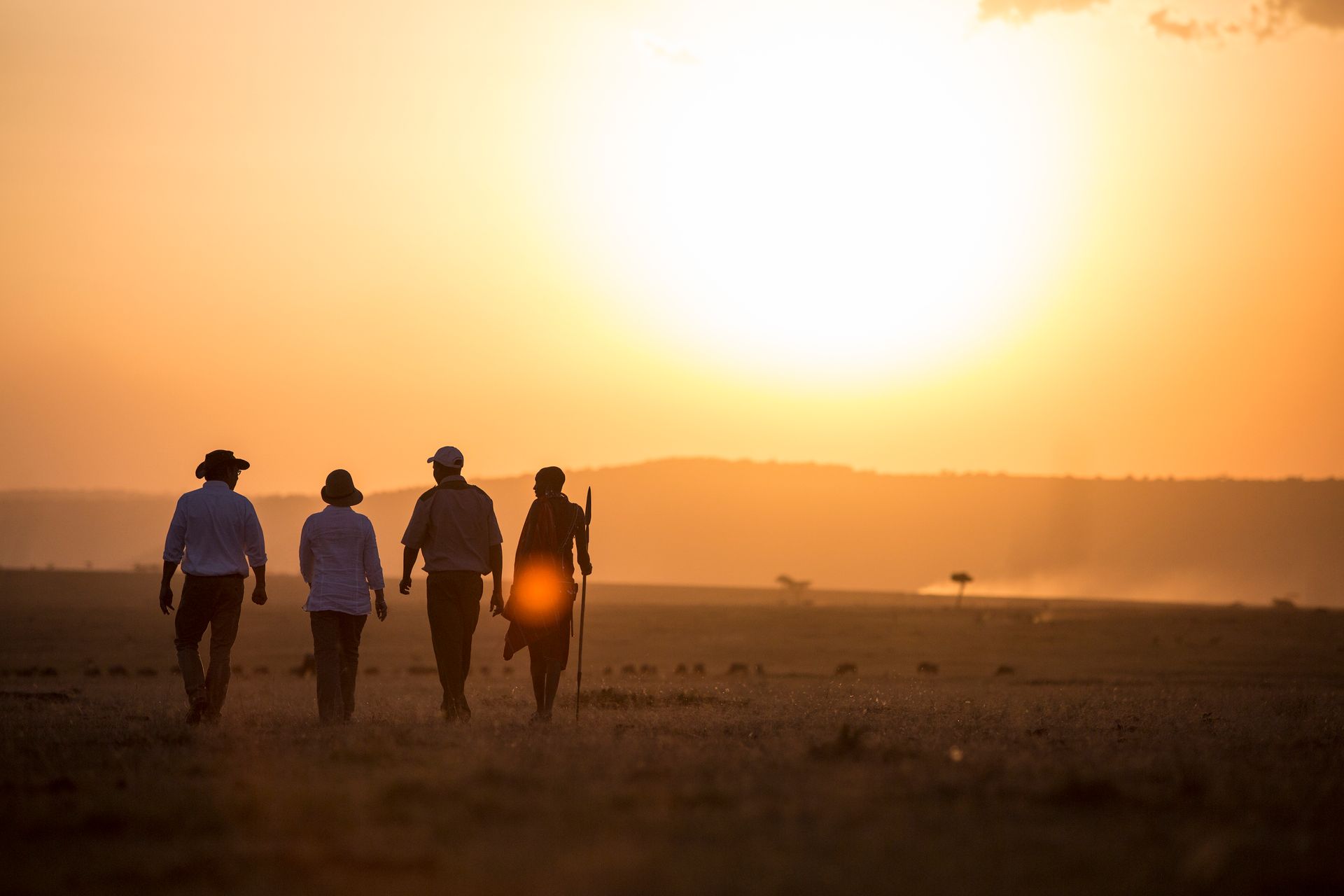
Mahale and Katavi are fly-in only and require careful logistical planning but they both reward that planning comprehensively.
So which Tanzania is yours?
The northern circuit is extraordinary and it earns every word written about it. If the Great Migration is a life ambition, if Ngorongoro is on the list, if this is a first Tanzania safari and the iconic landscapes of the Serengeti are what drew you to the continent in the first place, go north. You will not be disappointed.
If you've done the north and want to go deeper, if solitude matters as much as spectacle, if the idea of a walking safari in the Selous or chimpanzee trekking at Mahale or simply spending a week in Ruaha without seeing another vehicle appeals to something specific in you, go south. You will come back a different kind of safari traveller.
And if Tanzania has been on your mind for long enough that you're ready to do it properly, Umang and Beena have been building Tanzanian journeys for more than 35 years. The conversation about which Tanzania is right for you, right now, starts with a call or a message. It's one of the more enjoyable conversations we have.