When it comes down to sorting through the apparently endless options and conflicting information, what you actually want is a straight answer from someone who knows East Africa the way they know their own name, has been doing this for a very long time, and has no particular interest in telling you anything other than the truth. That's us!
Here, then, are our answers to the questions honeymooners ask us most often...
Tanzania or Kenya: which is the better honeymoon safari destination?
This is, genuinely, one of the more enjoyable questions to answer, because both countries have a strong case and the honest response depends almost entirely on what kind of honeymoon you want to have rather than on any objective hierarchy of wildlife or landscape.
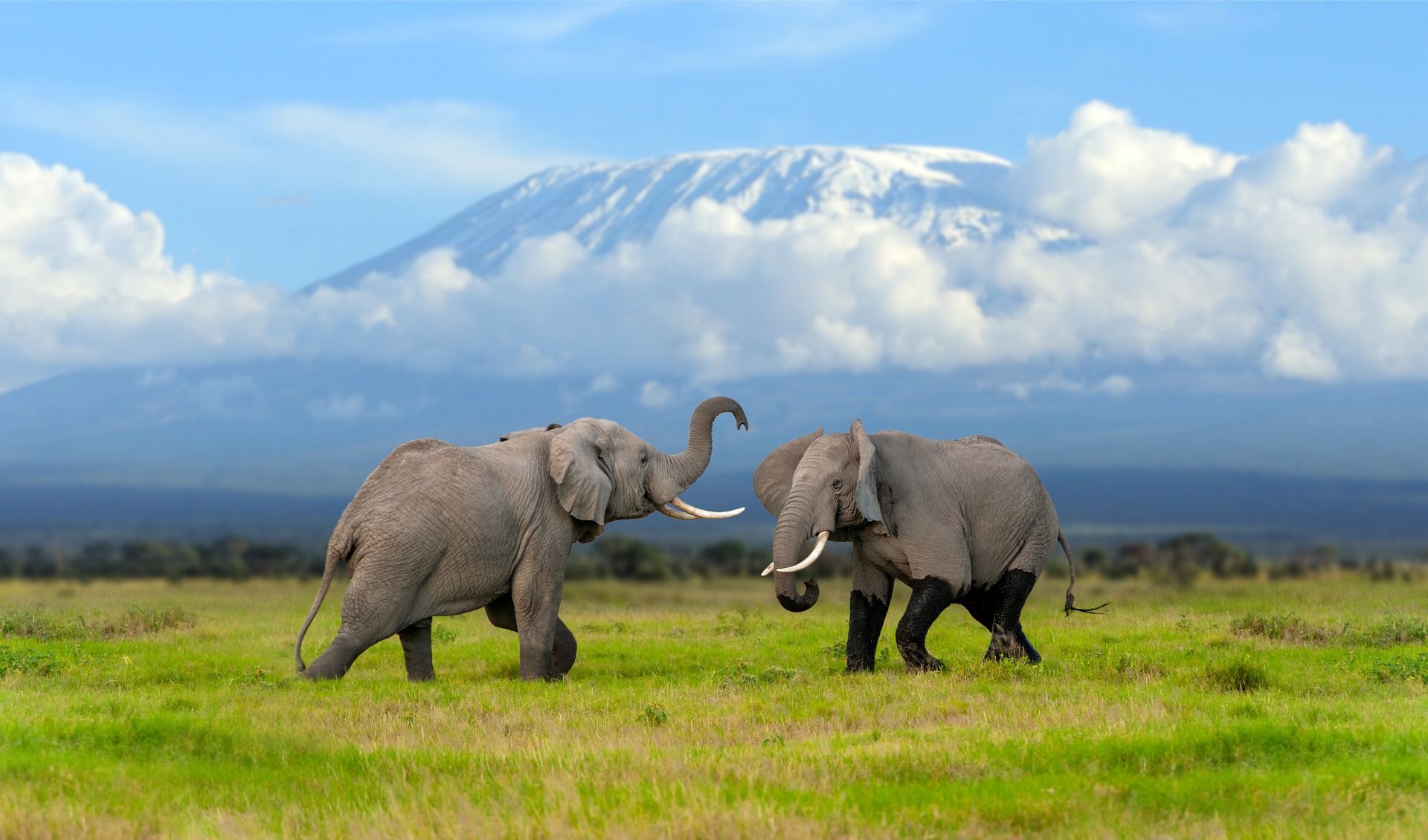
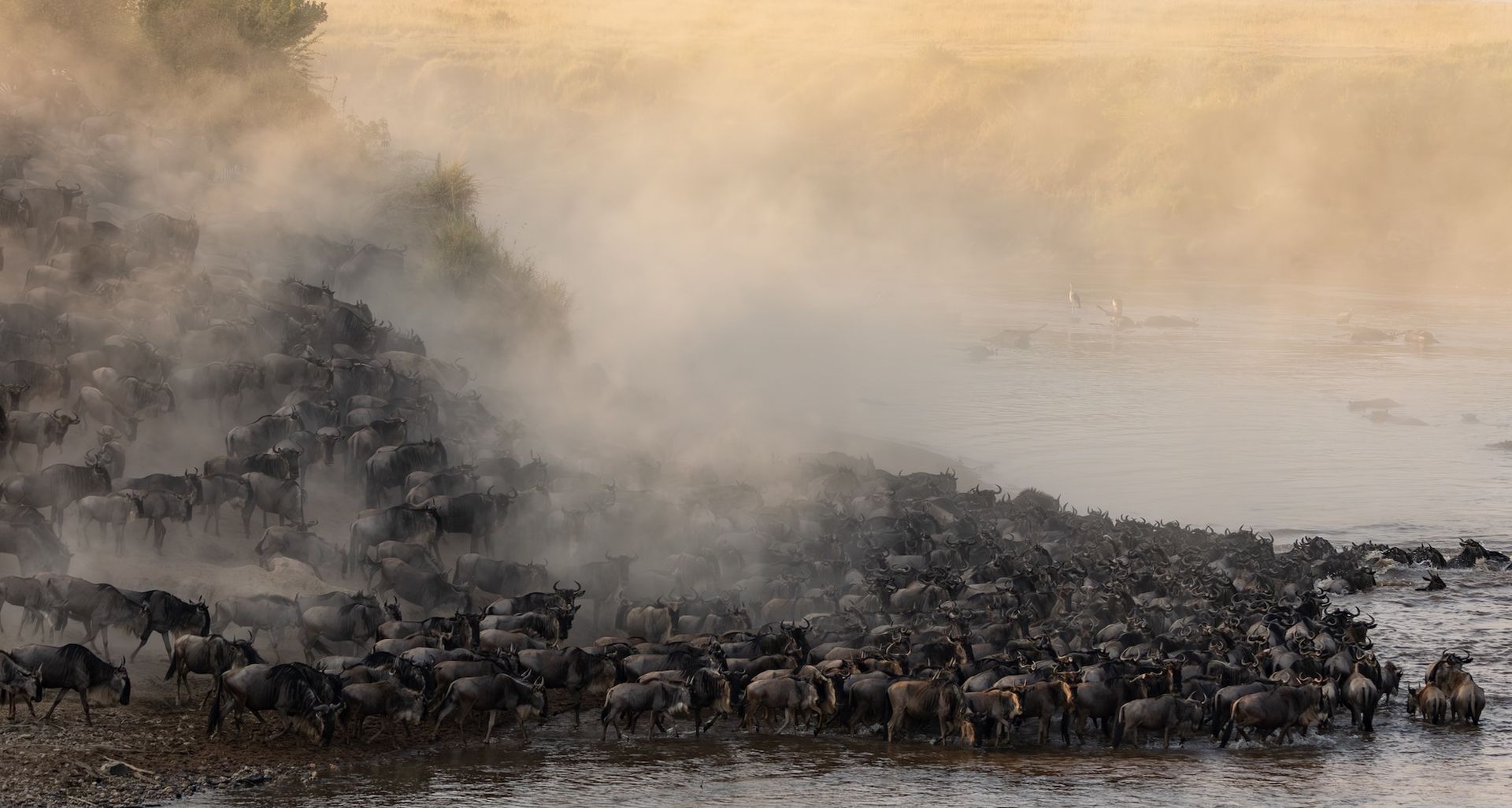
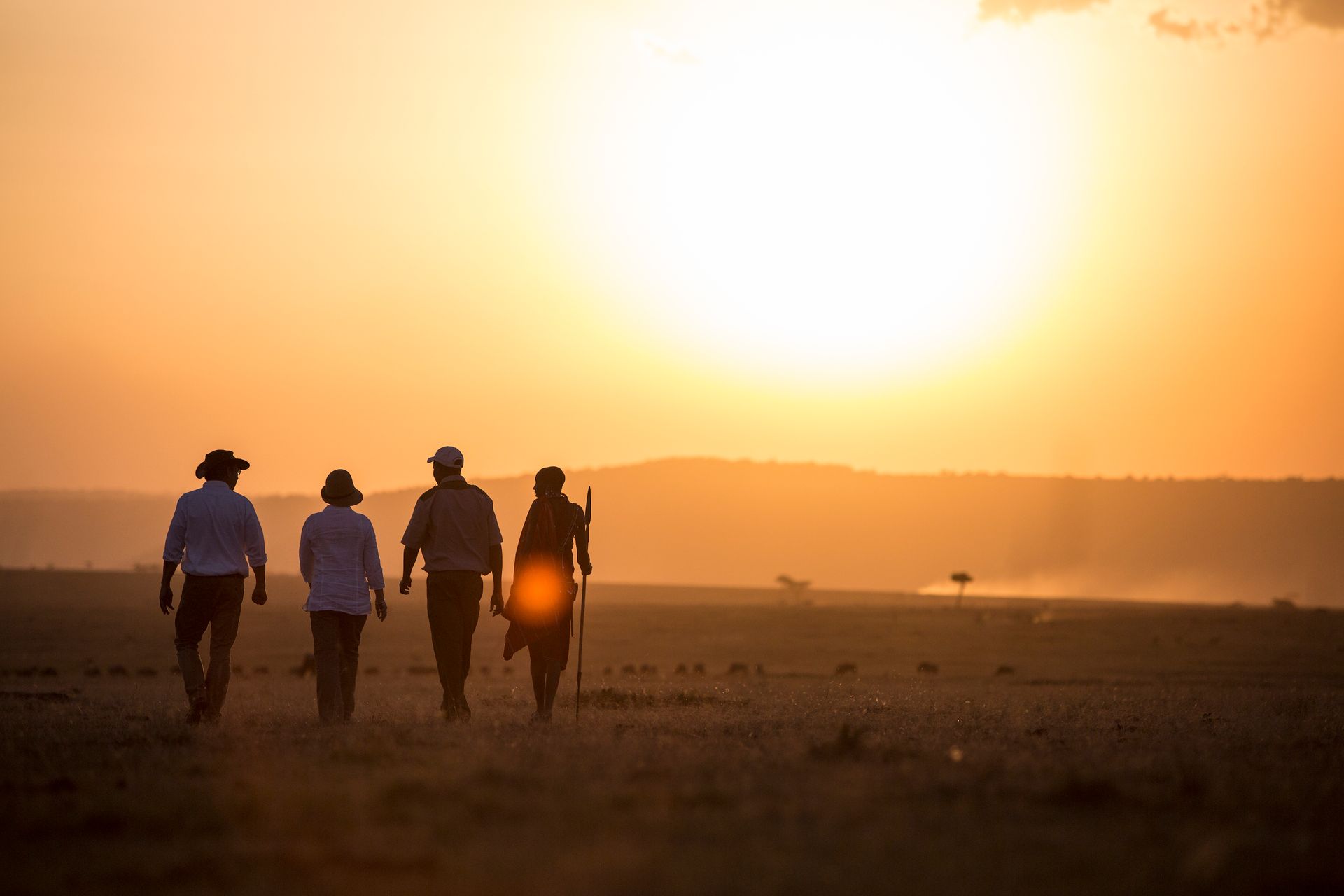
Kenya's Masai Mara is perhaps the most romantically loaded landscape in Africa. The great plains, the golden light in the late afternoon, the sense of space and ancient uninterrupted wildness, these things carry a particular emotional charge that is difficult to articulate and impossible to manufacture.
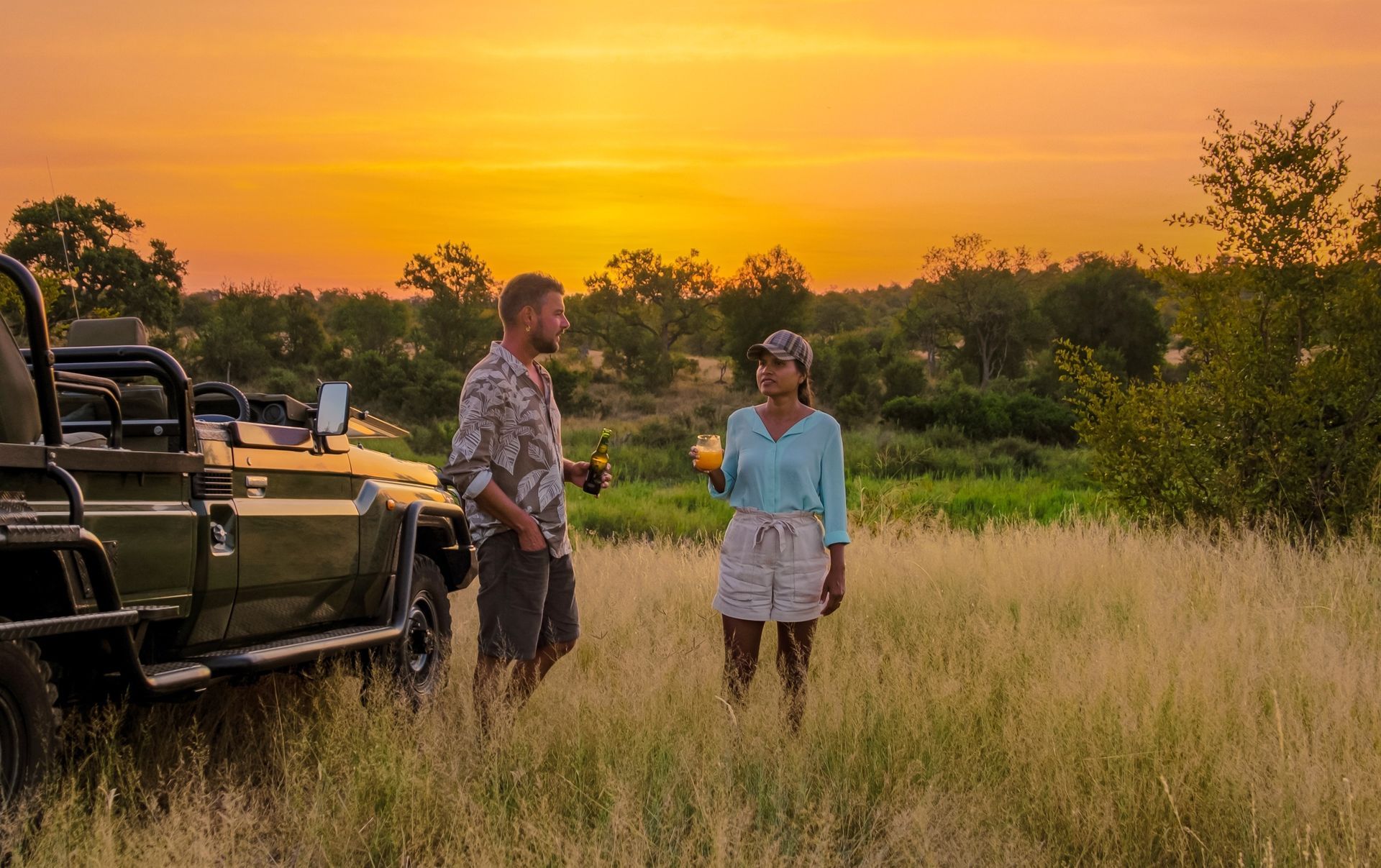
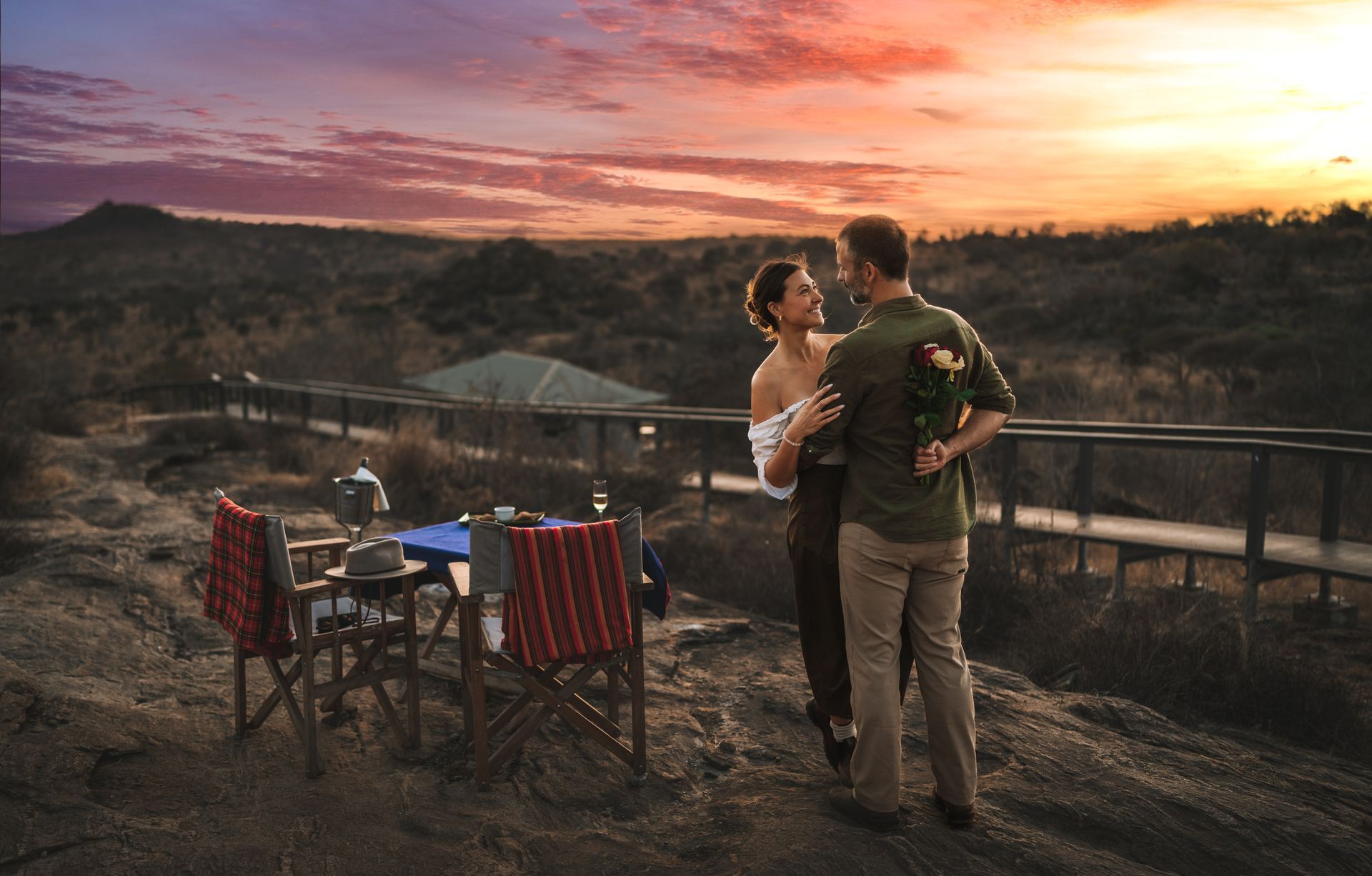
The Masai Mara's private conservancies, where exclusive-use camps and fly-camping under the stars are available in landscapes shared with almost no one else, are among the most intimate and most beautiful safari experiences in Africa, and for a honeymoon, that combination of spectacle and seclusion is very nearly perfect.
Kenya also has the coast, with its Swahili architecture and warm Indian Ocean water and the particular languor of a coast that has been absorbing travellers for centuries, as a beach add-on of considerable character.
Diani Beach in particular is worthy of mention, an hour's flight from Nairobi or a short transfer from Mombasa. It sits on a stretch of Indian Ocean coastline of genuine beauty, with fine white sand, warm water and a clutch of boutique properties that offer a considerably more intimate experience than the larger resort hotels further north.
For the couple whose safari is Kenya-based, Diani is a compelling destination that keeps the whole honeymoon within a single country without any sacrifice of quality.
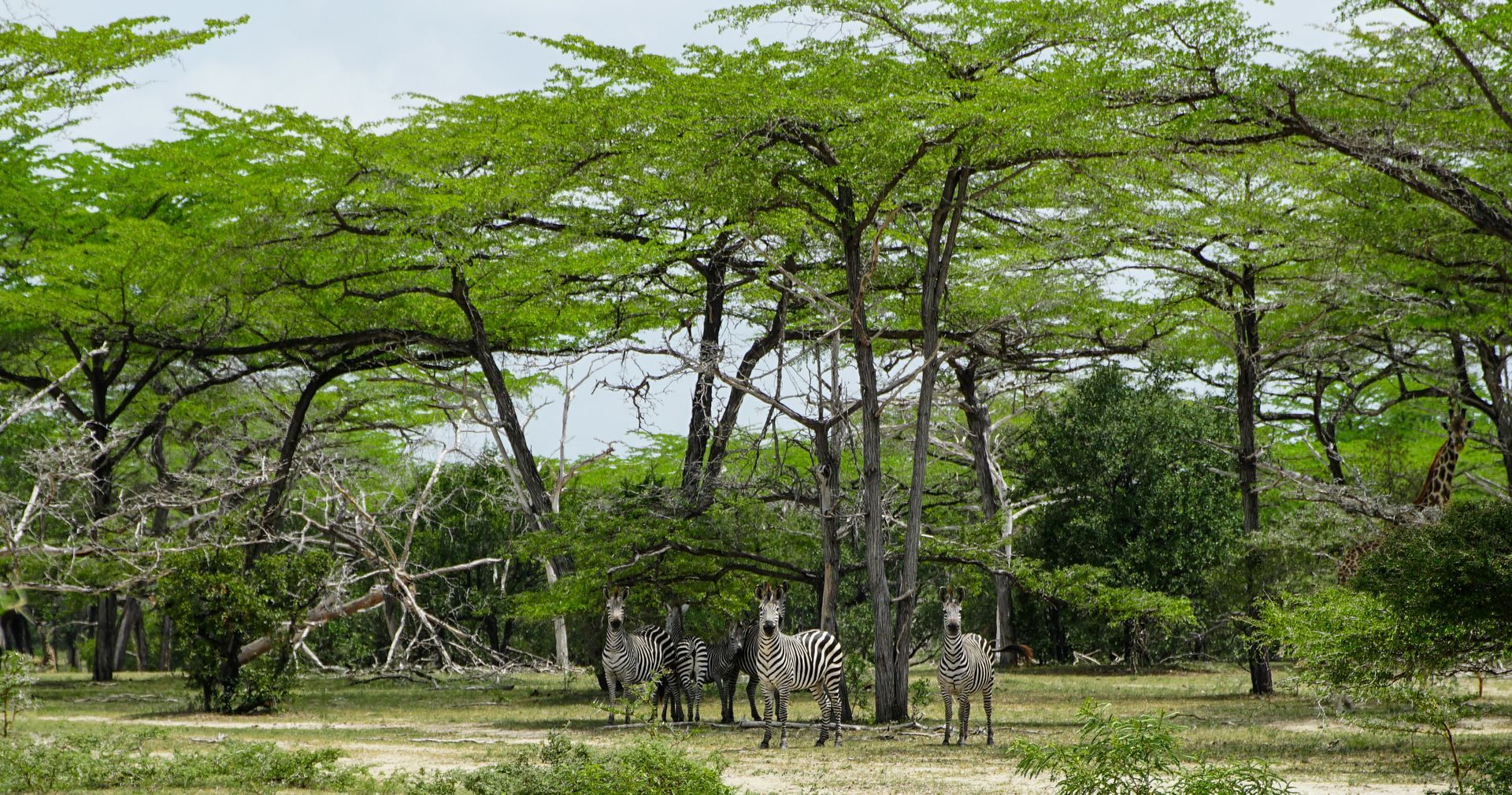
Tanzania offers the Serengeti, which is larger, wilder and in many ways more dramatic than the Mara, though the two ecosystems are, of course, connected. It also offers Ngorongoro, where descending into the crater at dawn with a picnic breakfast and no particular agenda is one of the more civilised and romantic things Africa permits.
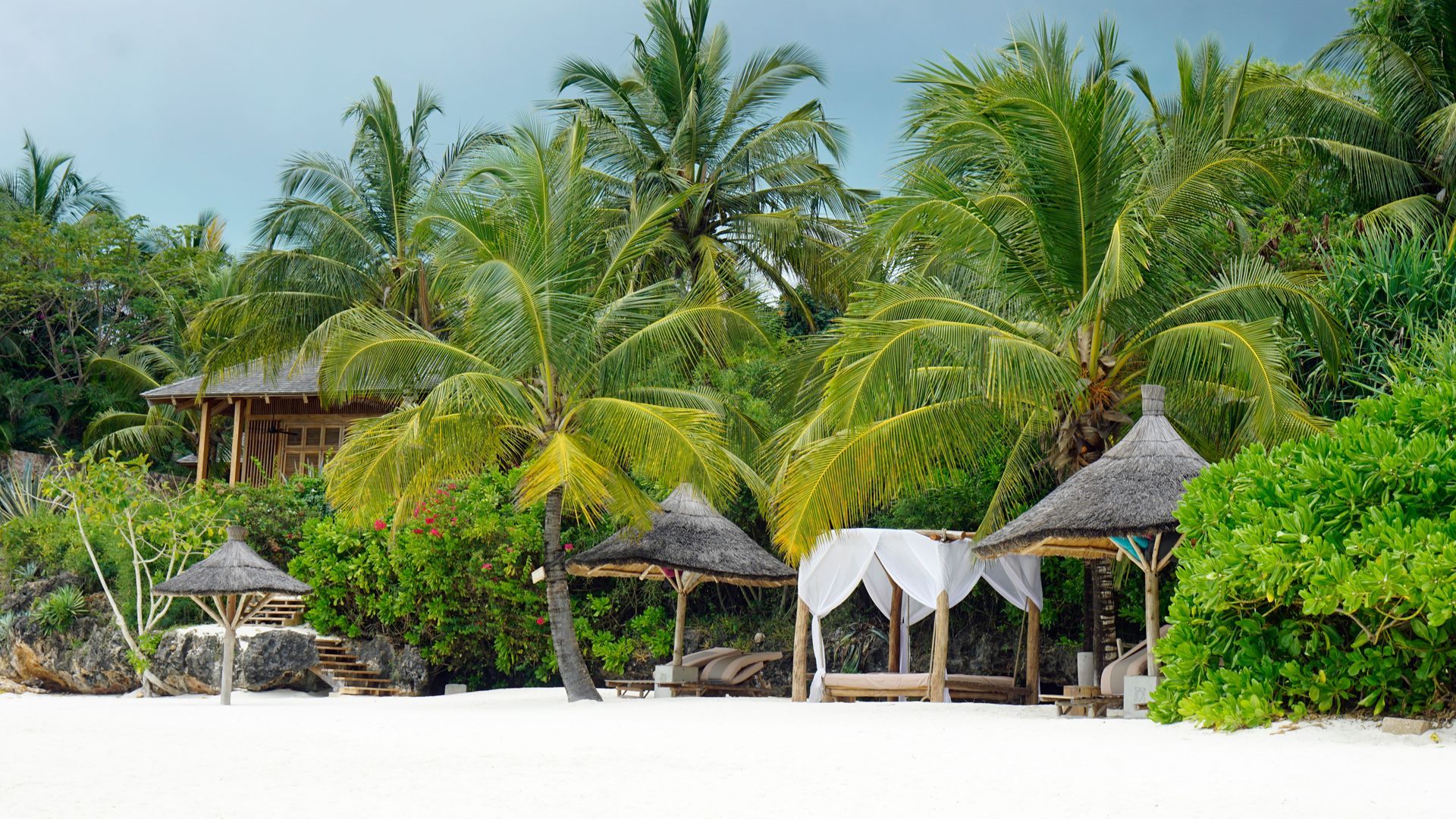
And, of course, it has Zanzibar, which changes the calculation entirely, because Zanzibar as a honeymoon beach destination is in a different category from almost anything Kenya's coast can offer. If the beach leg of the honeymoon matters as much as the safari leg, and for many couples it does, Tanzania edges ahead on that basis alone.
Safari and Zanzibar: how many nights in each?
The temptation, when planning a honeymoon, is to maximise everything, to spend as many nights as possible in as many extraordinary places as possible, which is a natural impulse and one that experienced travellers will gently advise you to resist. A honeymoon isn't a tour, so it doesn't need to be comprehensive, it just needs to be perfect.
The sweet spot for most couples is five to seven nights on safari and five to seven nights on the beach, which gives enough time in each environment to genuinely settle into it rather than simply passing through. Fewer than four nights on safari and you're still finding your rhythm when it's time to leave. Fewer than four nights on the beach and the whole point of a beach holiday, the deep unwinding, the sleeping late, the long lunches, the afternoons that dissolve into evenings without you quite noticing, is never properly achieved.
If the total trip length is 10 to 12 nights, which is the minimum we'd recommend for a honeymoon of this kind, a split of six and six, or five and seven depending on which you're more drawn to, works beautifully. Fourteen nights allows for greater flexibility and the possibility of adding a second safari destination, which for a honeymoon is often worth the extra days.
Is an all-inclusive Zanzibar resort right for a honeymoon?
The all-inclusive resort model exists for a reason, and the reason is convenience, which is not an ignoble thing. When you've spent a week waking before dawn for game drives and running on adrenaline and emotional intensity, the idea of a place where nothing is required of you except to appear at the pool at a reasonable hour is genuinely appealing. We understand that and we've been there ourselves.
The honest answer, though, is that Zanzibar's all-inclusive resorts are a broad church, and the question isn't really whether to go all-inclusive but whether the particular property and the particular experience it offers is what you want your honeymoon beach leg to be. The larger all-inclusive resorts on the north and west coasts can feel, particularly in peak season, rather more like a holiday camp than a honeymoon destination, with the pool bars and the buffet dinners etc not entirely compatible with romance.
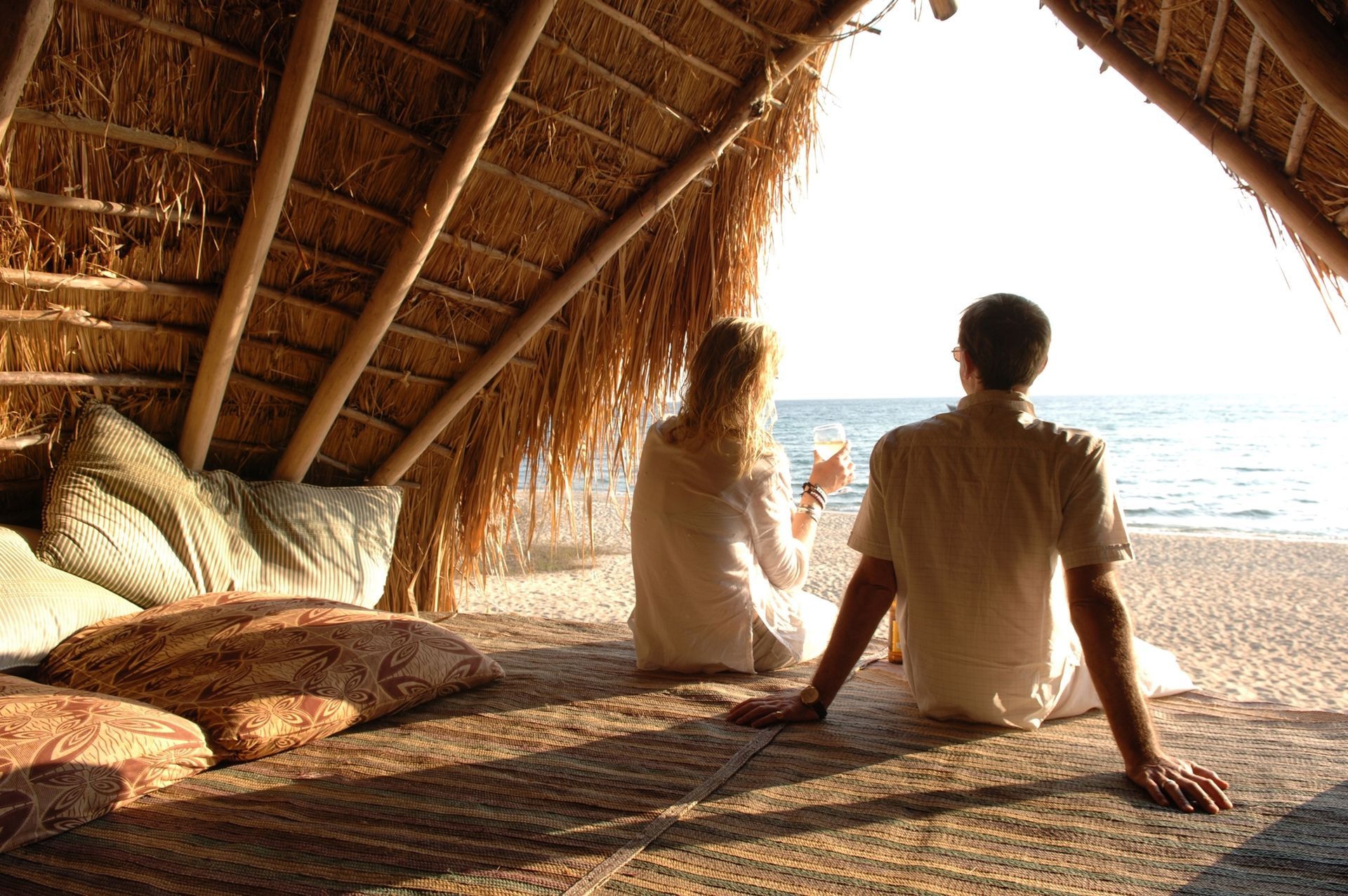
For a honeymoon, the smaller boutique properties offering access to a wealth of different experiences worth seeking out, tend to deliver a more intimate and more memorable experience.
Nungwi or the southeast coast: which is better for honeymooners?
This is a question of character rather than quality, and the right answer depends entirely on what you want your days to look like.
Nungwi, on the northern tip of the island, has the finest swimming conditions in Zanzibar, with a protected bay that holds its water at all states of the tide and a beach that faces west for sunsets of considerable drama. It's more developed than the south-east, with a range of restaurants, bars and watersports operators within walking distance, which suits the couple who want the option of a social evening or a snorkelling trip without too much logistical effort.
The south-east coast, anchored by Paje and the beaches around it, is quieter, wilder and more beautiful in a raw, untamed way, with a kite-surfing culture that gives it a particular energy even in the quieter months. The tidal variation here is more pronounced, which means that at low tide the sea retreats considerably and swimming isn't always possible, but the trade-off is a sense of space and isolation that Nungwi's busier beach can't match.
For a honeymoon oriented toward seclusion and the particular beauty of a beach that doesn't feel like a beach resort, the south-east is the more compelling choice. For ease, warmth and reliability of swimming conditions, Nungwi wins.
Private safari or small-group safari for a honeymoon?
For a honeymoon, the answer is private, and the answer is not particularly complicated. A small-group safari puts you in a vehicle with strangers, which can be a wonderful thing and often is, producing the kind of unexpected connection and shared experience that solo travellers and adventurous couples find enormously rewarding. A honeymoon, however, is one of the few occasions in life when the quality of your experience is directly proportional to the degree to which it belongs entirely to you.
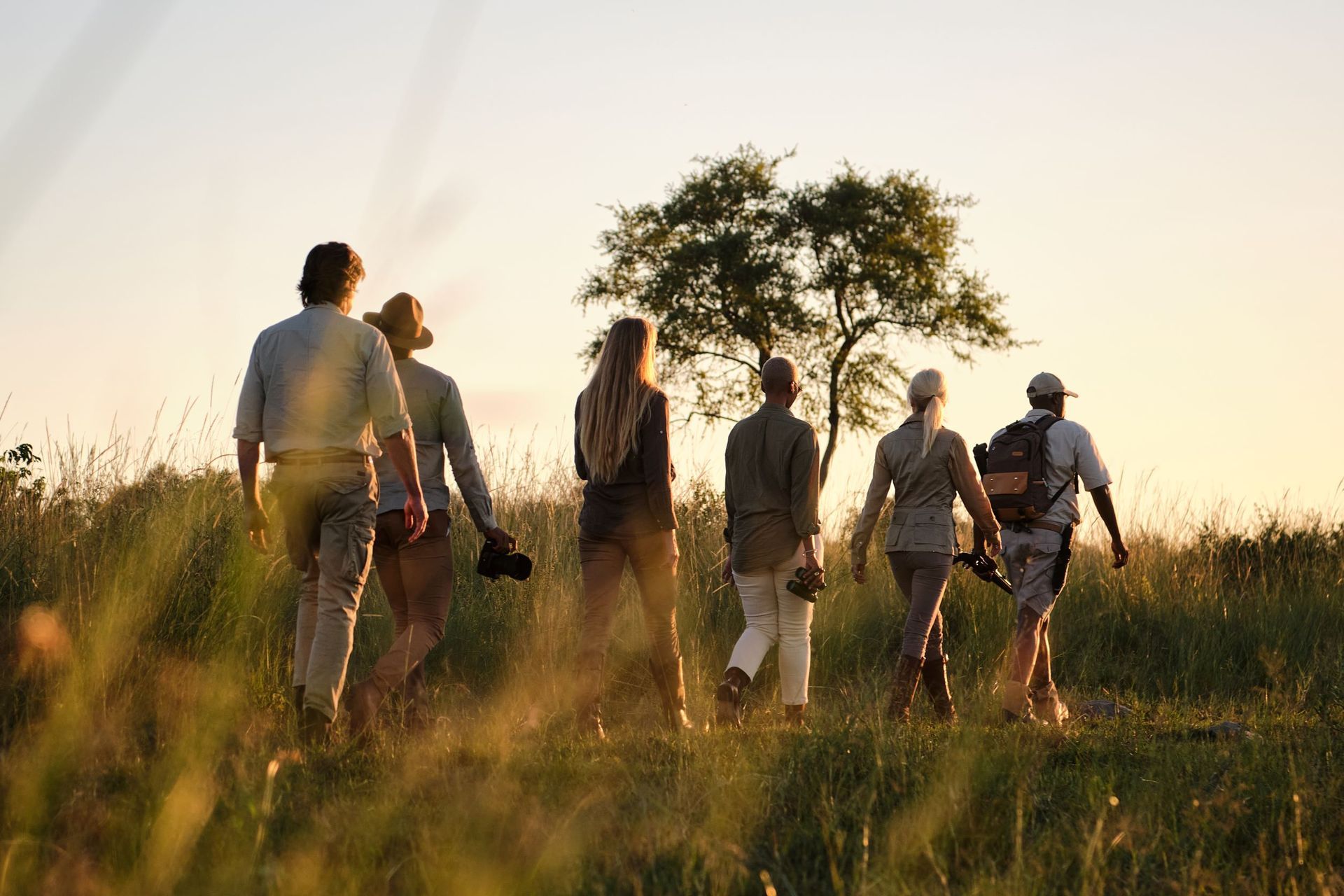
A private safari means your own vehicle, your own guide, your own pace and your own agenda. It means stopping for as long as you want at the sighting that's moved you most, taking the sundowner wherever the light is best, eating breakfast in the bush when the morning feels too good to waste at the lodge table, and having the kind of unhurried, unscheduled conversations that a new marriage deserves. It costs more than a small-group experience, and it's worth every penny.
Are safari lodges actually romantic?
They are, with the important caveat that some are considerably more romantic than others, and the difference between a lodge that has been designed with romance as a genuine consideration and one that simply markets itself as romantic is something an experienced operator can navigate for you in ways that a Google search can't.
The elements that make a safari lodge genuinely romantic, as opposed to merely luxurious, are privacy, atmosphere and the quality of the bush experience surrounding it. A private plunge pool... A bath on the deck... A fire lit outside the tent at night by someone who disappears without being asked... A bed positioned to face the bush so that the first thing you see in the morning, before coffee, before anything, is an elephant moving through the trees in the pre-dawn light... These details are the result of properties that have thought carefully about what their guests are there to feel, and operators who know which properties those are.
Africa at night, genuinely dark and genuinely wild, with the sounds of the bush pressing in from every direction and a sky so dense with stars it barely seems real, is one of the most romantic environments on earth. It doesn't need much help. It needs the right lodge and the right guide and the right company, and the rest tends to take care of itself.
How much should we realistically budget for a luxury African honeymoon?
A luxury African honeymoon of the kind described above, two weeks combining a private safari in Tanzania or Kenya with a boutique beach stay in Zanzibar or on the Kenyan coast, should be budgeted at a ballpark figure of somewhere between £10,000 and £20,000 per couple, depending on the level of accommodation chosen, the season, the duration and the specific destinations involved.
That range is wide because Africa is wide in what it offers. At the lower end, excellent camps and beautiful beaches are entirely achievable, with the trade-off being that you're in more established properties with slightly less exclusivity. At the upper end, you're in the tier of lodges that genuinely compete with the finest hotels in the world, in landscapes those hotels cannot hope to replicate, with a level of personal service that most travellers have simply never encountered before.
What doesn't change across the range is the experience of Africa itself, the light, the silence, the wildlife, the particular sensation of being somewhere so vast and so alive that it adjusts your sense of proportion permanently. That part is non-negotiable, and it's available at every price point within the luxury tier.
What we do, and have been doing for more than 35 years, is make sure that whatever your budget within that range, every part of it is working as hard as it possibly can.