Anyone who has sat down with a map of Africa and a cup of tea, fully intending to choose a safari
destination before the tea goes cold, will know how quickly the exercise unravels. Kenya leads to Tanzania, Tanzania leads to Zanzibar, somebody mentions gorillas, a friend who went to Botswana in 2019 is still talking about it at dinner parties, and by the time the tea is stone cold there are seven countries on the shortlist and no obvious way of whittling them down.
Every safari destination on the continent is the best one for somebody at the right time of year, and the trick is working out which of them is the best one for you. That depends far more on your own priorities than on any league table, because a destination that delivers a lifetime highlight for a wildlife photographer in August might leave a family with young children wondering what all the fuss was about.
The points that follow are the ones we work through with every traveller who comes to us, and they tend to settle the matter much faster than any amount of brochure browsing...
1. Start with the animals you'd cross the world to see
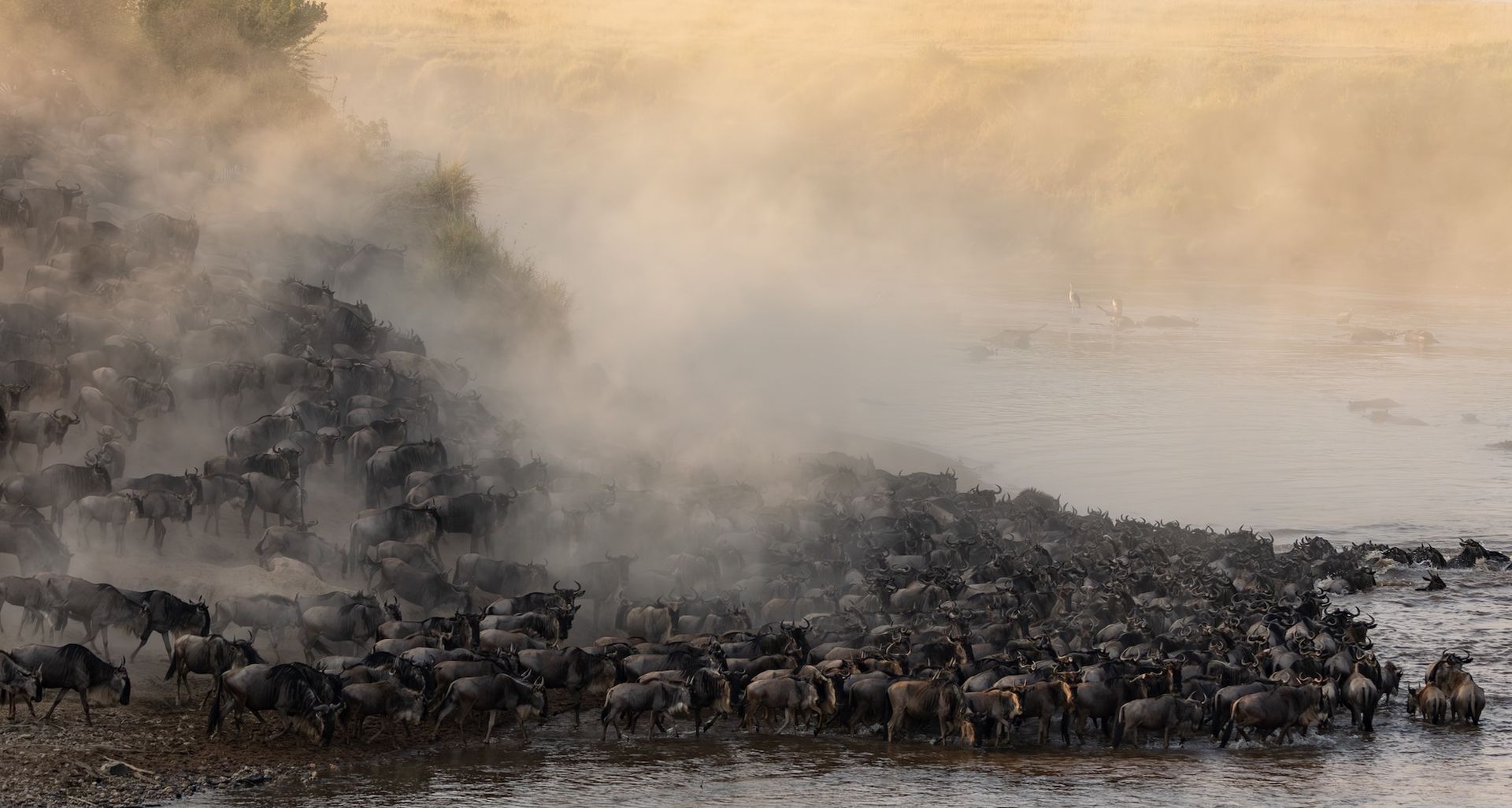
If there's one sighting that would make the whole trip worthwhile, it should shape everything else, because some of Africa's great wildlife experiences happen in only a handful of places. The Great Migration belongs to the Serengeti and the Masai Mara, where the dramatic river crossings generally play out between July and October, while the calving season in the southern Serengeti in January and February brings hundreds of thousands of newborn wildebeest and a predictably busy time for every lion and hyena in the neighbourhood.
Mountain gorillas are found mostly in the forests of Rwanda and Uganda, and chimpanzee tracking takes you to Uganda's Kibale Forest, Rwanda's Nyungwe or the remote shores of Lake Tanganyika at Mahale in Tanzania.
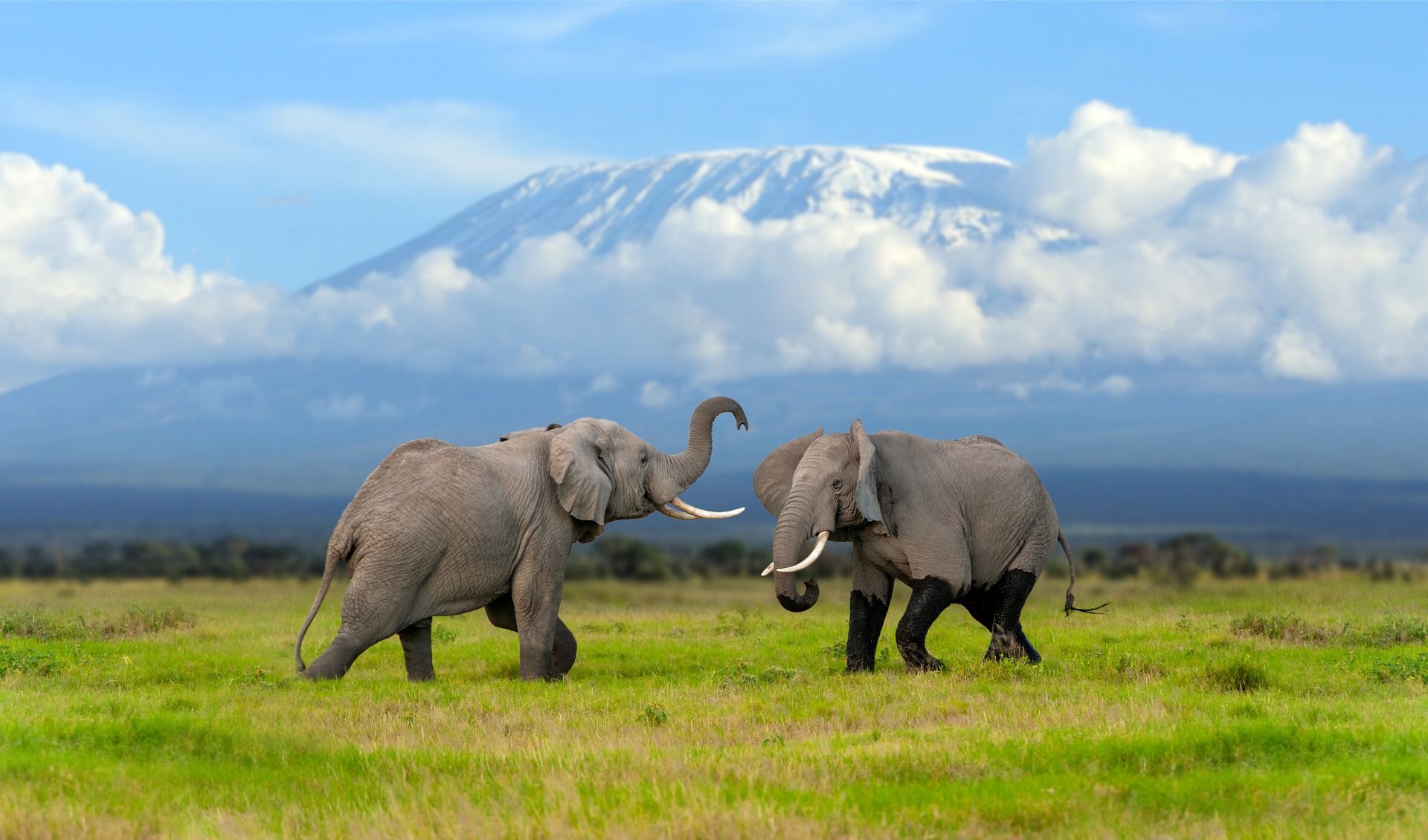
Elephants in extraordinary numbers point towards Botswana's Chobe riverfront and Zimbabwe's Hwange, where the late afternoon procession of breeding herds down to the water is one of the great sights of Southern Africa. Leopard enthusiasts tend to gravitate towards the private reserves of South Africa's Greater Kruger National Park, where generations of habituated cats have made sightings remarkably reliable.
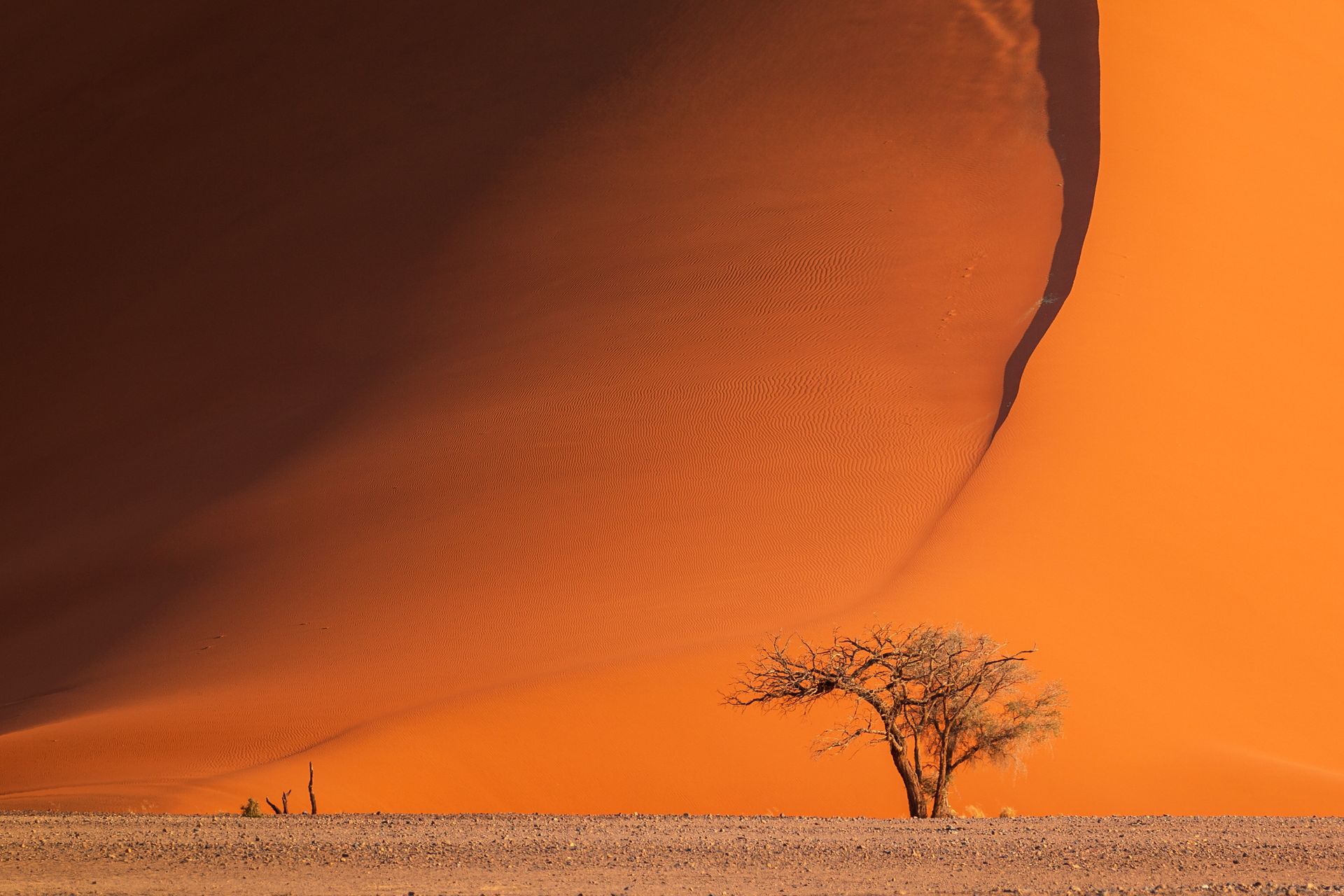
Painted wolves (African wild dogs), the most endangered large predator on the continent, are best sought in Botswana's Okavango Delta and Linyanti, Zimbabwe's Hwange and Mana Pools and Tanzania's Nyerere National Park. And for those who find themselves strangely moved by an elephant that has learned to live in a desert, Namibia's Damaraland has no equal anywhere in Africa.
2. Let the calendar have its say
Timing can matter as much as the destination itself, and a country that's perfect in one month can be wet, closed or simply very hot in another. Across most of Southern Africa, the dry winter months from May to October are the classic safari season, when thinning vegetation and dwindling water sources draw wildlife into the open and make it far easier to find.
The green season from November to April brings dramatic skies, newborn animals, migrant birds in their thousands and noticeably lower rates, although many camps in Zambia's South Luangwa and Lower Zambezi close entirely during the rains because the roads become impassable.
Botswana's Okavango Delta runs on its own delightfully contrary timetable, with rain that falls in the Angolan highlands in summer arriving in the delta months later, so the floods peak in the middle of the dry season and the water is at its most magical when the rest of the region is parched.
East Africa is broadly a year-round destination, with the long rains of April and May the quietest period, and much of the planning there revolves around where the migration is likely to be at any given moment.
3. Think honestly about how you'd like to spend each day
Most people picture a safari as a series of game drives in an open vehicle, and that remains the heart of the experience almost everywhere, but Africa offers a remarkable variety of other ways to meet its wildlife.
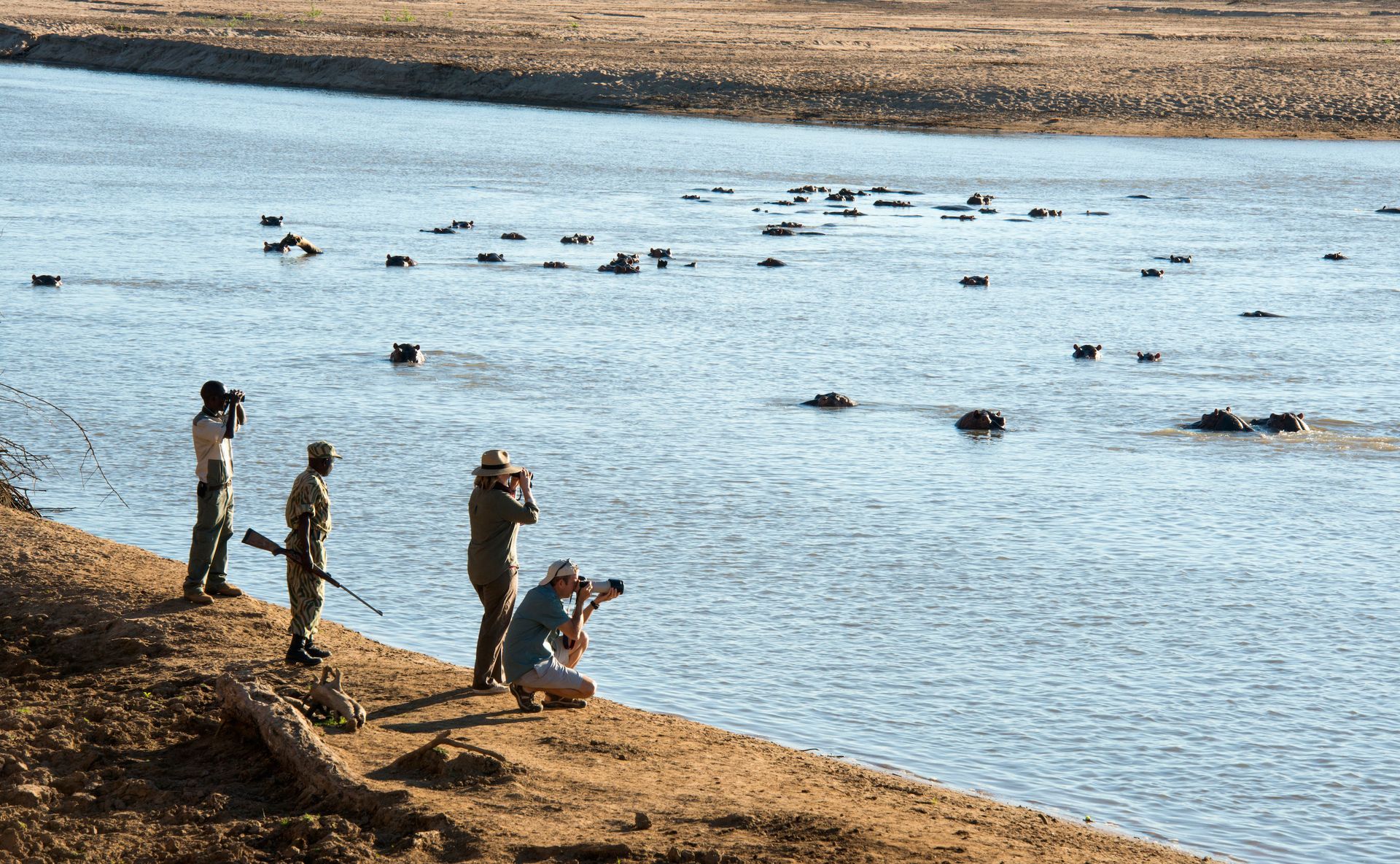
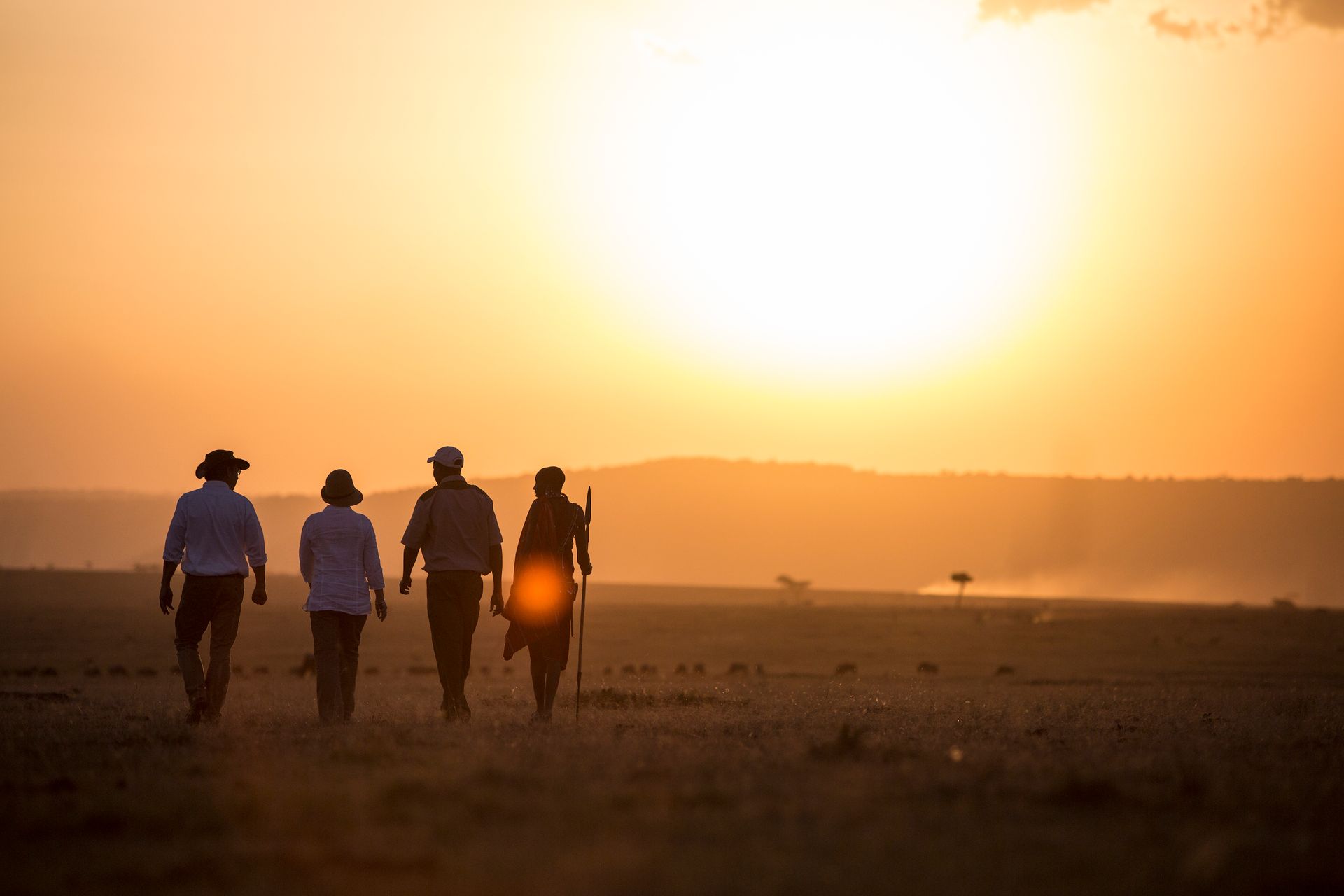
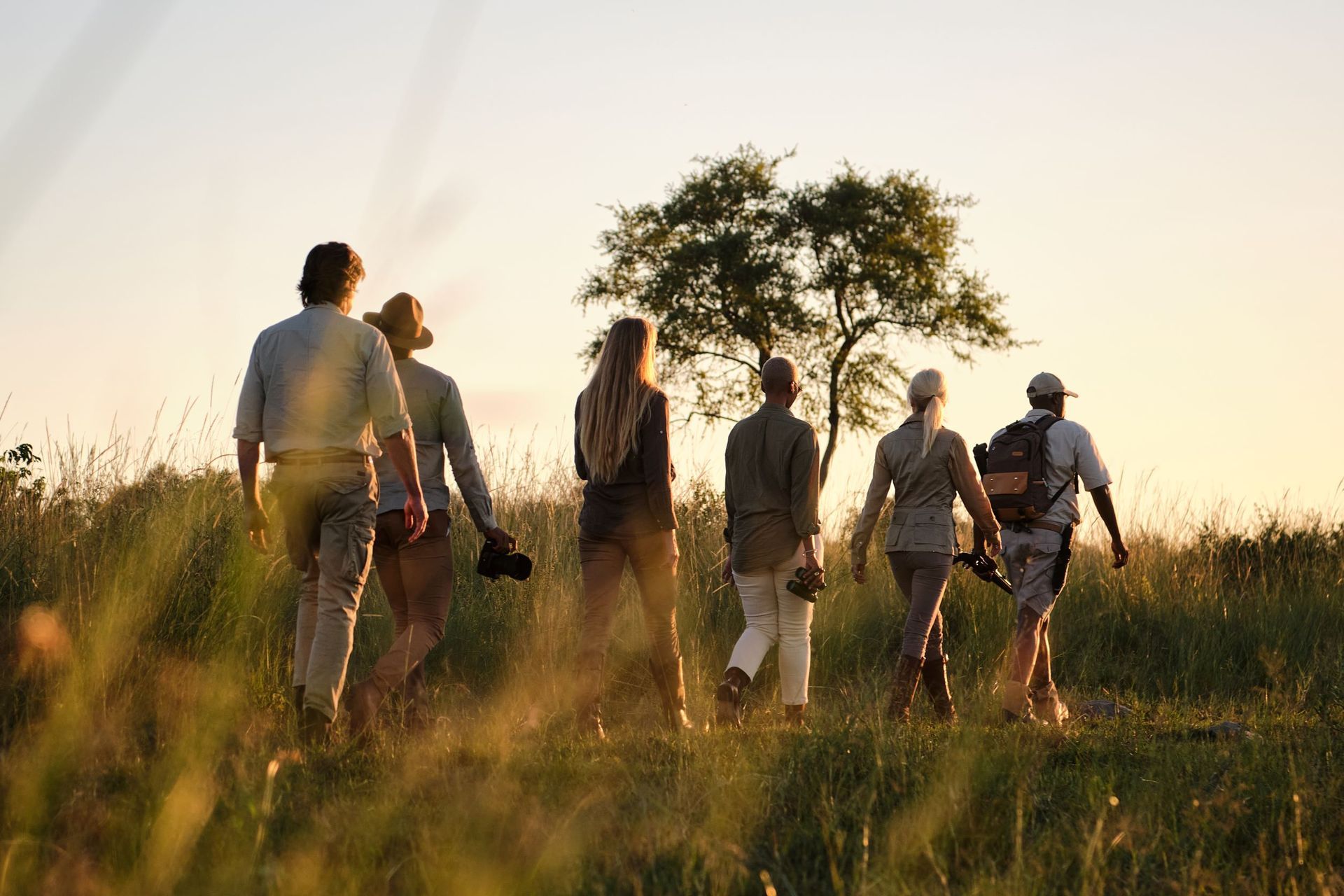
Zambia is the spiritual home of the walking safari, and Zimbabwe's Mana Pools offers some of the most thrilling walking on the continent, with guides of extraordinary calibre leading small groups through the bush on foot.
Water lovers will find their happy place gliding through the Okavango's channels in a mokoro, watching elephants swim the Chobe River from a boat, or paddling a canoe down the Lower Zambezi past pods of hippo that take a dim view of anyone in their stretch of river.
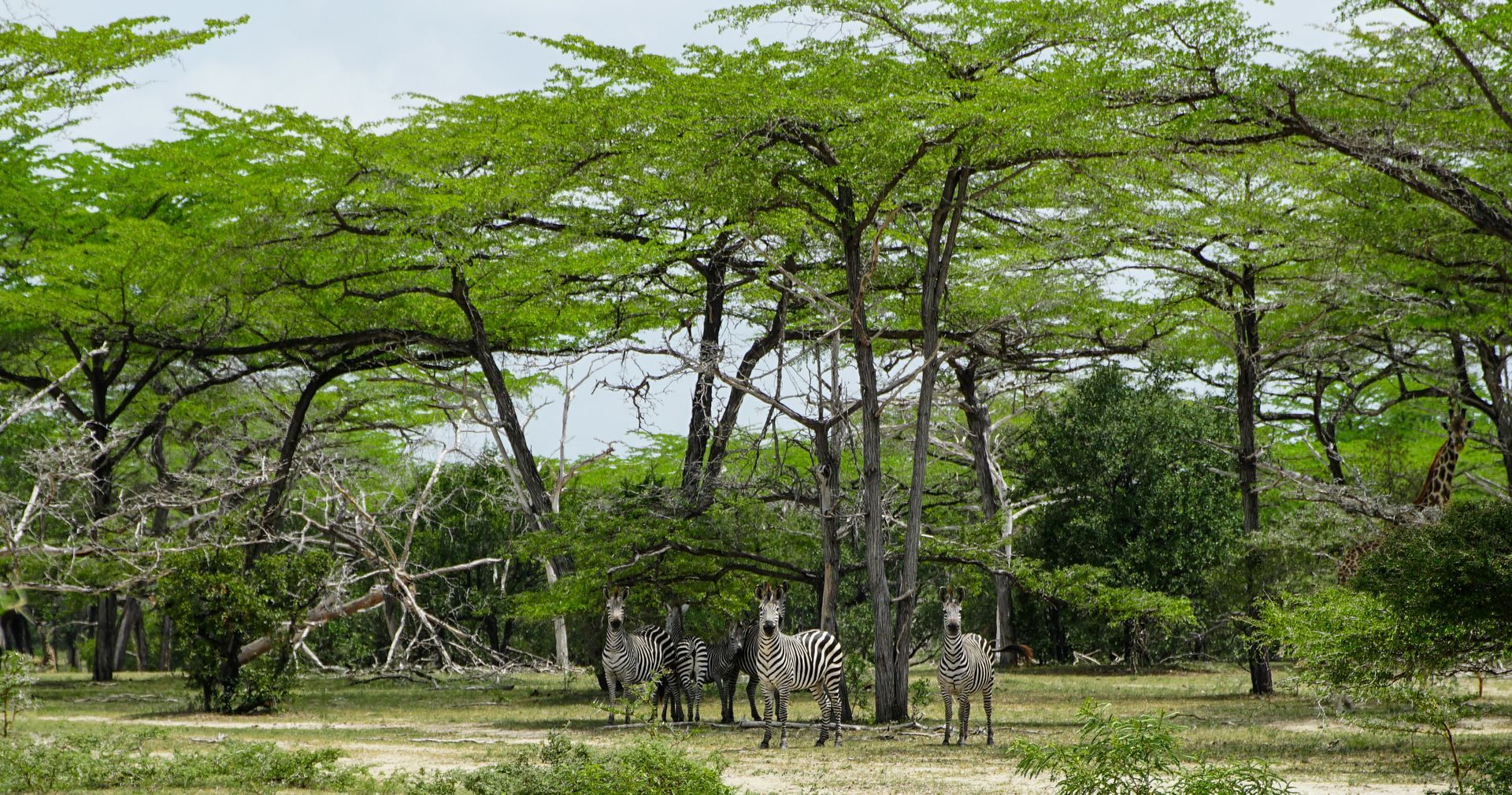
Horseback safaris in Kenya's Laikipia and Botswana's Okavango let riders move among zebra and giraffe as just another animal on the plains, which is a thoroughly disarming sensation the first time it happens.
Travellers who prefer to take the wheel themselves will find Namibia and South Africa's Kruger National Park ideal for self-drive adventures, while those who'd rather not see a road at all can fly between remote camps in light aircraft and watch the landscape unfold beneath them.
4. Consider who's coming with you
The company you keep on safari changes the picture considerably. Families with young children are often best served by private reserves with family-friendly lodges and dedicated children's programmes which take a great deal of the strain out of travelling with little ones. It's worth knowing that walking safaris and many boat activities carry minimum age limits, and gorilla trekking in Rwanda and Uganda is open only to those aged 15 and over.
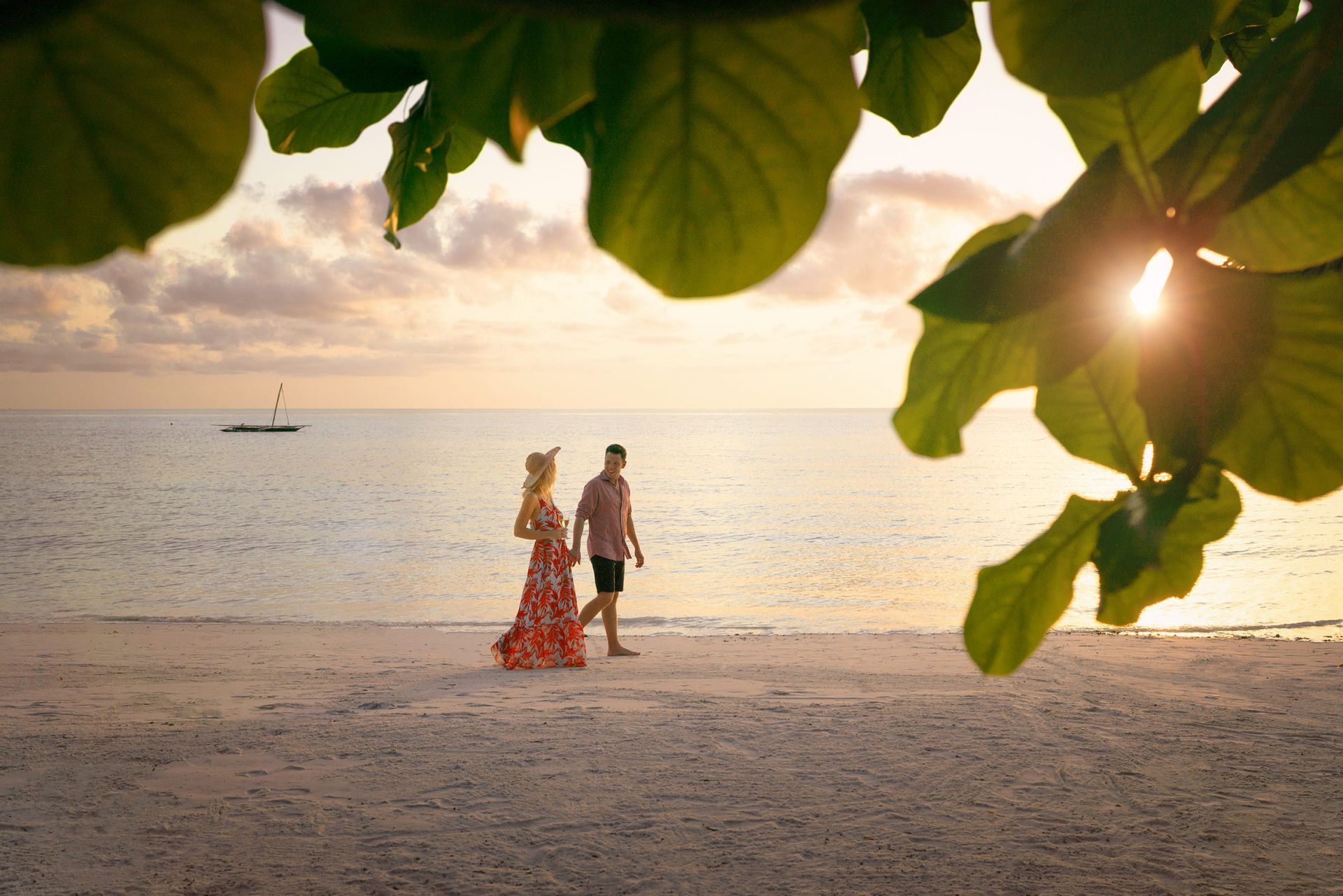
Honeymooners tend to want privacy, romance and a beach at the end, which makes a private safari in Kenya or Tanzania followed by a week on Zanzibar, the Kenyan coast or the Seychelles a very hard combination to beat. Solo travellers often thrive in smaller camps with communal dining, where conversation flows easily around the fire, and multigenerational groups frequently find that an exclusive-use house or private camp keeps everyone happy, from the grandparents to the teenagers who weren't sure a safari was for them!
5. Factor in time, distance and the beach at the end
The amount of time you have makes a real difference, particularly for a first safari. One of the great joys of travelling to Africa from the UK is that you’re flying south rather than across time zones, so whichever safari destination you choose, you’ll arrive within a few hours of British time and without the jet lag that can swallow the first day of a long-haul trip.
What varies far more is how many flights it takes to get there. Destinations served by direct overnight flights from London, such as Johannesburg, Cape Town and Nairobi, make natural choices for a shorter break, while those that require several connecting flights and light aircraft transfers reward longer stays, because there’s little joy in spending a precious holiday shuttling between airstrips.
Combinations are worth considering early. Victoria Falls pairs beautifully with Chobe, Hwange or a walking safari in Zambia; Tanzania flows naturally onto Zanzibar; Kenya combines easily with Diani or Lamu; South Africa offers Cape Town, the Winelands and the Garden Route; and Mauritius and the Seychelles make glorious final chapters for a Southern or East African journey.
6. Decide where your budget will go furthest
Safari costs vary widely across the continent, and understanding why helps you spend wisely. Botswana has built its tourism on a deliberate policy of low visitor numbers and high value, which brings wonderful exclusivity and correspondingly higher prices. South Africa offers outstanding value across a broad range of styles, from luxury lodges in the Greater Kruger to excellent mid-range options, and Namibia's self-drive routes allow travellers to cover enormous ground affordably. In Tanzania, the northern circuit is generally more economical than the remote southern parks, where light aircraft transfers and the sheer distances involved add to the cost.
7. When two destinations end up neck and neck
It’s entirely common to reach the end of all these questions with two destinations still tied, and the happy news is that you may not have to choose between them at all. With some careful planning, a multi-country safari is entirely possible, and many of Africa’s finest journeys combine two or even three countries in a single trip.
Botswana’s Okavango Delta and Chobe sit within easy reach of Victoria Falls, which straddles the border between Zimbabwe and Zambia, while Kenya and Tanzania share the great Serengeti-Mara ecosystem and connect easily by air, with gorilla trekking in Rwanda or Uganda only a short flight away.
The secret lies in routing, so that each leg flows logically into the next, the flights connect sensibly and the time spent travelling never outweighs the time spent in the bush.
If the timing or the budget won’t stretch to both this time, the honest advice from more than 35 years of planning safaris is to choose the one that made you lean forward when you first read about it. The other one will still be there next time, and very few people who go on safari once manage to resist going back.